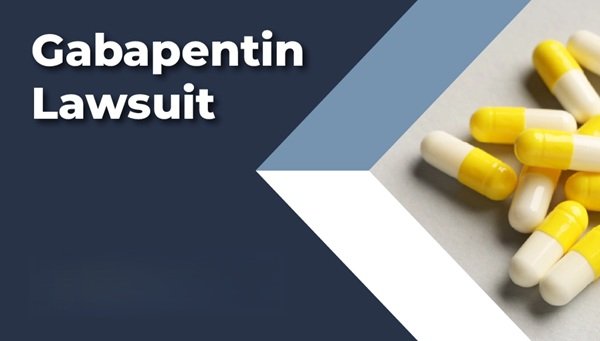
Gabapentin has been used in the United States for more than three decades, but the drug has also generated substantial litigation. The best-known cases involve Neurontin, the original branded version of gabapentin, and allegations that its manufacturer promoted the medicine for uses that had not been approved by the FDA.
Those cases produced hundreds of millions of dollars in settlements and judgments. More recently, attention has shifted toward possible personal-injury claims involving respiratory depression, cognitive impairment and dementia. However, the 2026 litigation landscape needs to be described carefully: there is currently no newly established nationwide gabapentin personal-injury MDL or global settlement for dementia claims.
The Original Neurontin Off-Label Marketing Case
The most important gabapentin enforcement action dates back to 2004.
Warner-Lambert, which had been acquired by Pfizer, agreed to plead guilty to criminal charges related to the promotion of Neurontin for unapproved uses.
Neurontin had originally received FDA approval as an adjunctive treatment for certain epileptic seizures. Warner-Lambert’s Parke-Davis division was accused of aggressively promoting it for conditions including bipolar disorder, migraines, various pain conditions and other uses that had not been approved by the FDA.
The U.S. Department of Justice said the company used sales representatives, paid physician events, consultants and educational programs as part of its off-label marketing strategy.
Warner-Lambert agreed to pay more than $430 million in criminal fines and civil settlements. The resolution included a $240 million criminal fine as well as payments connected with federal and state healthcare programs.
Kaiser Wins Major RICO Case Against Pfizer
The government settlement did not end Neurontin litigation.
Healthcare organizations and insurers argued that Pfizer’s marketing caused them to pay for large numbers of prescriptions for uses where Neurontin was allegedly ineffective.
Kaiser Foundation Health Plan and Kaiser Foundation Hospitals brought one of the most significant cases.
In 2010, a federal jury found that Pfizer violated the federal Racketeer Influenced and Corrupt Organizations Act, or RICO, through its promotion of Neurontin for certain off-label uses.
The jury awarded approximately $47.4 million, which was automatically trebled under RICO to about $142.1 million.
The U.S. Court of Appeals for the First Circuit later affirmed the judgment.
$325 Million Neurontin Marketing Settlement
Additional insurers and healthcare benefit providers also pursued Pfizer.
In 2014, Pfizer agreed to a $325 million settlement resolving claims brought by third-party payers that alleged they had paid for Neurontin prescriptions resulting from improper off-label promotion.
The settlement received final court approval in November 2014.
Pfizer did not admit wrongdoing through that settlement.
A separate Neurontin antitrust dispute involving allegations that Pfizer took steps to delay competition from cheaper generic gabapentin products was settled for approximately $190 million in 2014.
Suicide and Personal-Injury Lawsuits
Neurontin also became the subject of product-liability lawsuits brought by patients and families.
More than 100 plaintiffs in federal multidistrict litigation alleged that Neurontin caused or contributed to suicidal thoughts, suicide attempts and completed suicides.
The lawsuits alleged that Pfizer and Warner-Lambert failed to adequately disclose information concerning possible behavioral and psychiatric risks associated with the medicine.
In 2009, the federal judge overseeing the litigation refused to exclude plaintiffs’ general-causation experts at an important preliminary stage, allowing them to present scientific evidence concerning whether Neurontin was capable of causing suicide-related events.
The FDA also requires antiepileptic medicines to carry warnings about suicidal thoughts and behavior. Its analysis found a higher rate of suicidal behavior or ideation among patients receiving antiepileptic drugs than among those receiving placebo.
Respiratory Depression Becomes Another Safety Issue
Gabapentin later attracted regulatory attention for a different reason.
In December 2019, the FDA warned that serious breathing difficulties can occur in patients taking gabapentin who have certain respiratory risk factors.
The agency highlighted particular concern when gabapentin is combined with opioids or other drugs that depress the central nervous system. Elderly patients and people with conditions affecting lung function can also face greater risk.
The FDA required new warnings concerning respiratory depression to be added to gabapentinoid prescribing information.
These warnings have encouraged lawyers to investigate potential failure-to-warn and wrongful-death claims, particularly where gabapentin was used together with opioids. However, such claims should not be confused with the old Neurontin marketing MDL.
New Gabapentin Dementia Claims in 2026
A newer area of potential litigation involves cognitive impairment and dementia.
A 2025 observational study examined more than 26,000 adults with chronic low-back pain. Researchers reported that patients receiving six or more gabapentin prescriptions had a higher incidence of dementia and mild cognitive impairment than matched patients who did not receive the drug.
The authors found a 29% higher observed risk of dementia and an 85% higher observed risk of mild cognitive impairment in that group.
The study does not establish that gabapentin causes dementia. It identified an association, and other research has produced different results. A separate 2024 study of chronic-pain patients did not find a significant increase in dementia risk associated with cumulative gabapentin exposure.
A 2026 systematic review likewise concluded that although pooled observational studies suggested modestly higher estimated dementia odds, the evidence had substantial limitations and did not establish causation.
Nevertheless, several U.S. law firms began publicly investigating potential gabapentin dementia and cognitive-decline claims during 2026.
Is There a New Gabapentin Mass Tort?
As of September 2026, there is no newly established nationwide federal MDL specifically consolidating gabapentin dementia lawsuits, and no court-approved settlement fund exists for these claims.
That point is important because some online advertisements describe a “2026 gabapentin lawsuit” as though a large settlement or nationwide class action already exists.
The major completed Neurontin litigation involved off-label marketing, insurer reimbursement, antitrust claims and older suicide-related product-liability cases.
The newer dementia and respiratory-injury theories remain far less developed. Plaintiffs pursuing such cases would still have to establish that gabapentin caused their particular injuries and that a manufacturer had a legal duty to provide a warning different from the warnings already approved by the FDA.
For now, gabapentin has a substantial history of successful litigation concerning how Neurontin was marketed. Whether the emerging dementia and other long-term injury allegations develop into another major pharmaceutical mass tort will depend on stronger scientific evidence and the progress of individual lawsuits in the coming years.