The Zantac lawsuits have developed into one of the largest pharmaceutical product-liability disputes in the United States. Tens of thousands of people alleged that taking the former heartburn medicine Zantac, which contained ranitidine, exposed them to a cancer-causing chemical known as NDMA.
The litigation has produced very different results. Thousands of federal claims were dismissed, drugmakers have won several trials, and major manufacturers have paid billions of dollars to settle large groups of state-court cases without admitting liability. As of August 2026, much of the litigation has been resolved, although some disputes and appeals remain.
Why Were Zantac Lawsuits Filed?
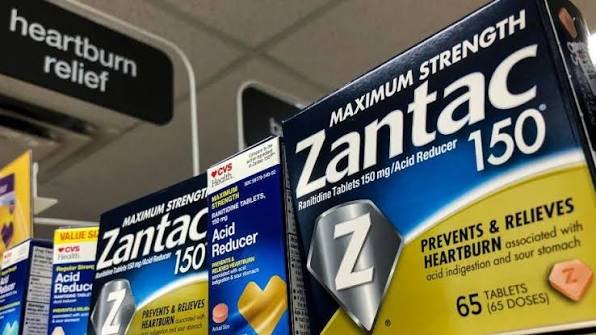
Zantac was widely used to treat heartburn, ulcers and acid-related conditions. Its original active ingredient was ranitidine.
Concerns emerged after testing found N-nitrosodimethylamine, or NDMA, in ranitidine products. NDMA is classified as a probable human carcinogen.
In April 2020, the U.S. Food and Drug Administration requested the removal of all prescription and over-the-counter ranitidine products from the market. The FDA found that NDMA levels in some ranitidine medicines could increase over time and when stored at higher temperatures.
Patients subsequently filed lawsuits claiming long-term Zantac use caused cancers including:
- Bladder cancer
- Liver cancer
- Stomach cancer
- Esophageal cancer
- Pancreatic cancer
- Prostate cancer
- Colorectal cancer
The drug companies have consistently disputed that scientific evidence establishes that Zantac causes cancer.
What Happened to the Federal Zantac Lawsuits?
Thousands of Zantac cases were consolidated in multidistrict litigation in the Southern District of Florida.
The federal litigation suffered a major setback in December 2022. The judge excluded the plaintiffs’ expert testimony concerning whether ranitidine could cause the cancers at issue and granted summary judgment to the defendants.
GSK has reported that approximately 14,000 product-liability cases were dismissed following those rulings. The plaintiffs appealed, and the Eleventh Circuit heard argument in the consolidated Zantac appeals on October 10, 2025.
As of August 2026, the federal appeal remains an important unresolved part of the litigation.
GSK’s $2.2 Billion Zantac Settlement
Despite its success in federal court, GSK faced a much larger collection of lawsuits in state courts.
In October 2024, GSK announced agreements with 10 plaintiffs’ law firms representing approximately 80,000 Zantac cases, or about 93% of the state-court product-liability cases then pending against the company.
GSK agreed to pay up to $2.2 billion to resolve qualifying claims. The company did not admit liability and maintained that scientific evidence did not reliably show that ranitidine increases cancer risk.
By the end of 2025, GSK reported that the vast majority of its remaining state cases had either been resolved or dismissed.
Delaware Court Delivers Major Defense Victory
Delaware had become one of the most important venues for Zantac litigation.
Initially, a Delaware trial judge allowed plaintiffs’ expert evidence to proceed. But in July 2025, the Delaware Supreme Court reversed that decision, finding problems with the standard used to evaluate the scientific testimony.
The case returned to the Superior Court. On April 13, 2026, the court granted summary judgment for the defendants in the remaining affected cases because the plaintiffs had not established admissible evidence of general causation.
The ruling significantly reduced one of the largest remaining groups of Zantac claims.
Sanofi and Pfizer Zantac Settlements
Other former Zantac manufacturers have also settled substantial numbers of cases.
Sanofi agreed in 2024 to settle approximately 4,000 state-court lawsuits. Financial terms were not publicly disclosed, and the company did not admit liability.
Pfizer has likewise reached settlements in many cases. In a 2026 securities filing, Pfizer said that by May 2026 it had settled, or reached agreements to settle, a substantial majority of state-court cases involving plaintiffs who alleged use of a Pfizer product. Some unresolved cases continued in state courts.
Have Zantac Plaintiffs Won at Trial?
The trial record has generally favored the defendants.
In May 2024, an Illinois jury found that Zantac did not cause plaintiff Angela Valadez’s colorectal cancer.
Boehringer Ingelheim also won a February 2025 trial involving two plaintiffs who alleged that Zantac caused their prostate cancers.
Other cases have ended in confidential settlements or hung juries rather than clear plaintiff victories.
Is Zantac Still Sold Today?
The original Zantac containing ranitidine is no longer sold in the United States.
The current product marketed as Zantac 360 uses famotidine, a different active ingredient. The FDA stated during the ranitidine withdrawal that its testing had not found NDMA in famotidine.
Where Do Zantac Lawsuits Stand in 2026?
By August 2026, the Zantac litigation has moved far beyond the massive wave of claims seen several years earlier. GSK’s multibillion-dollar settlement resolved most of its state cases, Delaware courts dismissed another major group, and Pfizer and Sanofi have settled substantial numbers of claims.
The remaining litigation is therefore narrower, but it is not completely finished. Appeals and individual state cases continue, while the central legal disagreement remains the same: whether reliable scientific evidence can prove that a particular person’s ranitidine use caused cancer.