A penguin is one of those animals whose legal status is easy to misunderstand. Zoos across the United States keep and breed penguins, which can make private ownership seem possible. But zoo possession and household pet ownership operate under very different legal and regulatory systems.
There is no single federal statute that flatly prohibits every private person from possessing every penguin species. Even so, legally acquiring a penguin as an ordinary pet is extremely difficult. Federal wildlife and import laws can restrict the species and source of the bird, while state and local rules may require permits or prohibit possession altogether.
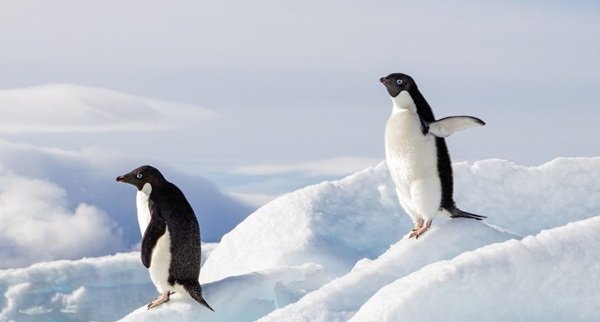
Are Penguins Protected by Federal Law?
Federal protection depends heavily on the species. Several penguins are listed under the Endangered Species Act. The African and Galapagos penguins are federally listed as endangered, while the emperor, erect-crested, Fiordland crested, Humboldt, white-flippered, yellow-eyed, and certain southern rockhopper penguins have threatened status.
Those listings can restrict import, export, interstate commercial activity, sale, and other conduct involving protected birds. An Endangered Species Act listing does not mean that every act of mere possession is automatically illegal, but it makes lawful acquisition and transfer much more tightly controlled.
Can You Import a Penguin Into the United States as a Pet?
Importation is one of the biggest legal barriers. The Wild Bird Conservation Act limits imports of exotic birds covered by CITES and allows imports only under specified exceptions, approved species lists, or permits. The federal approved captive-bred list in 50 CFR 15.33 does not include penguins.
That matters for CITES-listed penguins such as the Humboldt and African penguins. A person cannot assume that a captive-bred bird offered overseas can simply be purchased and shipped into the United States as a pet. U.S. Fish and Wildlife Service authorization may be required, and the available permit categories are generally tied to purposes such as scientific research, zoological breeding or display, conservation programs, or narrow personal-pet circumstances.
USDA animal-health rules add another layer. Imported pet birds generally require an import permit, veterinary health documentation, port inspection, and, in many cases, quarantine. These disease-control rules are separate from wildlife-conservation permits.
Can You Take a Penguin From Antarctica?
No one should treat a wild Antarctic penguin as a source for a private pet. The Antarctic Conservation Act regulates taking native birds in Antarctica and importing specimens taken there into the United States. Activities involving Antarctic wildlife generally require authorization from the National Science Foundation.
The emperor penguin has an additional federal layer because it is listed as threatened under the Endangered Species Act. Federal regulations specifically coordinate emperor-penguin protections with Antarctic Conservation Act permits.
What About State Laws?
State law can be stricter than federal law. Wildlife agencies may classify penguins as exotic, captive, or nondomestic wildlife and can regulate possession, importation, housing, or exhibition.
Florida, for example, treats nondomesticated wildlife that is not placed in a higher-risk category as Class III wildlife. The Florida Fish and Wildlife Conservation Commission requires permits for many Class III animals and separately requires authorization before nonnative wildlife is imported into the state. Anyone considering a penguin in Florida would therefore need a species-specific determination and the appropriate state authorization before acquiring or transporting the bird.
Cities and counties may impose additional exotic-animal or zoning restrictions, so compliance with federal law does not guarantee that possession is lawful at a particular address.
Can a Zoo Legally Keep Penguins?
Yes. Professionally operated zoos and aquariums commonly possess penguins through lawful captive populations, institutional transfers, breeding programs, and applicable federal and state permits. USDA has specific import rules for zoological birds, including permits, veterinary certificates, inspection, identification, and quarantine requirements.
That legal pathway should not be confused with ordinary pet ownership. Rules designed for zoological institutions do not automatically give a private household the right to acquire the same species.
What Happens If a Penguin Is Possessed Illegally?
Illegal acquisition, importation, sale, or possession can lead to seizure of the bird and civil or criminal penalties under the law that was violated. Federal wildlife offenses can also result in forfeiture, while state agencies may impose separate penalties or revoke wildlife permits.
Because multiple laws can apply at once, legality should be confirmed before money changes hands or transportation is arranged.
The Bottom Line
Owning a penguin is not covered by a simple nationwide yes-or-no rule, but it is not a realistic ordinary-pet option in most situations. Some penguin species receive strong federal protection, international and federal import rules can block or sharply restrict acquisition, and state or local wildlife laws may require additional permits or prohibit possession.
Before attempting to acquire any penguin, identify the exact species and its legal source, then check with the U.S. Fish and Wildlife Service, USDA APHIS, the relevant state wildlife agency, and local authorities. A penguin being kept legally by a zoo does not mean a private person can legally keep one at home.