A platypus is not the sort of exotic animal a U.S. pet owner can simply order from overseas and bring home. The animal is native to Australia, and Australia tightly controls the export of its native wildlife. That export regime, combined with U.S. import rules and state exotic-animal laws, makes private pet ownership extraordinarily difficult in practice.
A typical private individual has no realistic lawful path to acquire one as a household pet. Australia does not allow platypuses to be exported under its ordinary household-pet provisions, and states can impose additional possession restrictions.
Why Is Australia So Important to the Legal Answer?
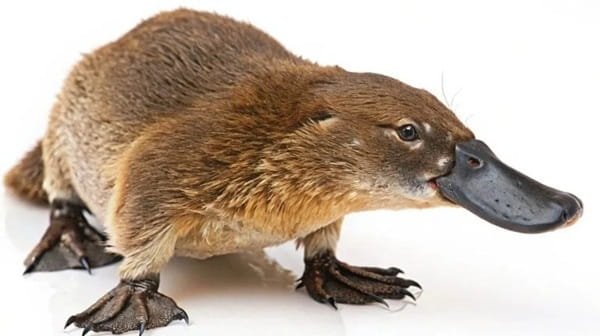
The platypus, Ornithorhynchus anatinus, is native only to Australia. Australian government guidance states that live native Australian mammals cannot be commercially exported. The household-pet export rules are also extremely narrow: they allow only certain listed native bird species, not platypuses or other native mammals.
For live Australian native animals exported for noncommercial purposes, the permitted purposes are generally limited to research or exhibition. Platypuses are subject to additional transfer conditions, and overseas transfers require an Ambassador Agreement involving the exporter, the receiving institution, and the Australian government.
Can a U.S. Zoo Legally Keep a Platypus?
Yes, a qualified zoological institution can potentially receive and keep a platypus through the tightly controlled institutional process. Australian guidance allows zoos to apply for permits to export native animals for exhibition or breeding when strict welfare, conservation, and facility requirements are met.
The receiving facility must be capable of meeting the species’ specialized biological and behavioral needs, and the Ambassador Agreement governs treatment and disposition of the animal. A zoo’s ability to receive a platypus therefore does not create a comparable pathway for private pet owners.
What U.S. Federal Rules Apply to Importing a Platypus?
Wildlife entering the United States is subject to U.S. Fish and Wildlife Service import rules. As a general matter, wildlife imports must be properly declared to the Service, and the shipment may be subject to designated-port, inspection, permit, and documentation requirements depending on the species and circumstances.
USDA APHIS also regulates many live-animal imports to prevent disease. Requirements vary by species and origin, so foreign export permission does not automatically create a right to bring the animal into the United States.
What About State Laws?
State law creates another independent layer of regulation. California, for example, expressly lists the order Monotremata, including platypuses, as restricted wildlife. California law generally makes it unlawful to import, transport, or possess a restricted live animal without a state permit.
California’s wildlife agency also makes clear that restricted-species permits are issued only for qualified purposes such as research, public exhibition, education, or shelter. They are not issued simply so someone can keep a restricted wild animal as a personal pet.
Other states may use different permit systems, and cities or counties can add their own exotic-animal rules. The exact state and locality therefore matter.
Can You Capture a Platypus in Australia and Bring It Home?
No private traveler should view wild capture as a lawful route to ownership. Platypuses are protected under wildlife laws in the Australian states where they occur, and Australian sources state that individuals cannot simply be captured or killed except under authorized circumstances such as scientific research.
Exporting a live native Australian animal also requires compliance with federal Australian wildlife-trade law. Taking an animal from the wild would therefore raise both state wildlife-possession issues and national export restrictions before U.S. import law is even considered.
What Happens If Someone Imports or Keeps One Illegally?
Illegal wildlife importation or possession can result in seizure of the animal, forfeiture, civil penalties, or criminal charges depending on the law that was violated. State wildlife agencies can impose separate penalties for unlawful possession even when a federal import violation is not involved.
Lawful source documentation would be critical. A private sale advertisement is not evidence that the animal can legally be acquired or kept.
The Bottom Line
For an ordinary private individual in the United States, a platypus is effectively not a realistic legal pet. Australia does not permit platypuses to be exported as household pets or as commercial live native mammals. Lawful overseas transfers are reserved for tightly controlled purposes such as research or zoological exhibition and carry special welfare and government-agreement requirements.
U.S. import law and state exotic-animal restrictions add further barriers. Anyone dealing with a platypus would need to establish a lawful Australian export, comply with U.S. wildlife and animal-health requirements, and satisfy the law of the destination state and locality. A zoo’s ability to keep a platypus should never be confused with a private right to own one at home.