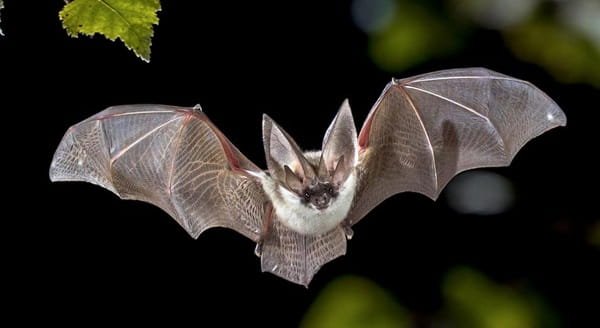
Bats are very different from the exotic mammals commonly sold through the pet trade. Most people encounter them as native wildlife living in trees, caves, attics, or bat houses, and taking one from the wild can trigger wildlife-protection laws even before the question of pet ownership arises. Exotic species create another layer of rules involving state permits, federal import restrictions, and sometimes endangered-species protections.
In the United States, there is no single rule that makes every bat legal or illegal to own. Native bats are protected from private possession in some states, while certain captive exotic species may be allowed elsewhere under a wildlife permit. The exact species and its source matter greatly, and buying a bat from a breeder does not automatically make possession lawful.
Can You Keep a Native Wild Bat as a Pet?
Generally, you should not assume that a native bat found outdoors can legally become a household pet. States regulate the taking and possession of native wildlife, and bat protections can be especially strict.
Texas provides a clear example. Current Texas Parks and Wildlife rules state that bats may not be hunted, killed, possessed, purchased, or sold. Limited exceptions apply when bats are inside or on an occupied building and for transportation connected with laboratory testing for rabies or white-nose syndrome.
Finding an injured or orphaned bat also does not normally create ownership rights. Wildlife rehabilitation is a regulated activity, and the goal is treatment and release rather than conversion of wildlife into a private pet.
California Prohibits Bats as Ordinary Pets
California takes an especially strict approach. Its restricted-animal regulations list the entire order Chiroptera, meaning all bats, as restricted species.
California requires a Restricted Species Permit to import, transport, or possess animals on that list. The California Department of Fish and Wildlife explains that such permits may be issued for limited purposes such as research, public exhibition, education, or shelter, but they are not issued simply to keep restricted wildlife as personal pets.
Can You Own a Bat in Florida?
Florida uses a permit-based captive-wildlife system rather than a blanket ban on all bats. Wildlife that is not classified as Class I, Class II, Conditional, or Prohibited generally falls into Class III. Florida also has specific captive-caging standards for bats.
A bat species that falls within Class III and is not subject to separate endangered, threatened, or prohibited-species rules may require the state’s no-cost Class III personal-pet permit. Importing nonnative wildlife into Florida can require additional authorization before the animal enters the state.
That makes species identification essential. A permit available for one captive exotic bat does not authorize possession of a protected native species.
Does Federal Law Affect Bat Ownership?
Yes. Federal law can be decisive for particular species.
Several bats are listed as endangered or threatened under the Endangered Species Act, including the Indiana bat, gray bat, Florida bonneted bat, northern long-eared bat, and various flying foxes. Activities involving federally protected species can require U.S. Fish and Wildlife Service authorization.
Federal injurious-wildlife rules also specifically restrict live flying foxes and fruit bats in the genus Pteropus. Their importation, transportation, or acquisition is prohibited except under authorized permits for qualifying purposes. This is not an ordinary pet-import pathway.
What About Captive-Bred Exotic Bats?
Captive breeding does not create a nationwide exemption. A nonnative bat may avoid some rules that apply to native wildlife, but state exotic-animal laws, local ordinances, federal endangered-species rules, and import restrictions can still apply.
Commercial activity creates another distinction. USDA Animal and Plant Health Inspection Service rules can require licensing or registration for regulated dealers, exhibitors, transporters, and research facilities handling covered warm-blooded animals. Someone who merely buys an animal for personal use and does not sell or exhibit animals is treated differently under the federal Animal Welfare Act.
Why Are Bats Regulated So Carefully?
Wildlife conservation is one reason, but public health also matters. The CDC advises people not to handle bats because bats are the animals most often reported with rabies in the United States, and bites can be very small.
White-nose syndrome has also caused major conservation concerns for North American bat populations. State rules may therefore control capture, relocation, rehabilitation, exclusion from buildings, and possession even when a person has no intention of harming the animal.
The Bottom Line
Owning a bat is not broadly legal throughout the United States. Texas prohibits ordinary possession of bats, and California treats all bats as restricted species that cannot be permitted merely as pets. Florida can allow certain captive wildlife under its Class III permit system, but protected native or otherwise restricted species are a different matter.
Before acquiring any bat, identify the exact species and check state wildlife rules, local ordinances, and federal protections. A captive-bred label, an online seller, or legality in another state does not by itself make a bat legal to keep where you live.