Deer often live close to people, and a bottle-fed fawn can become surprisingly comfortable around humans. That familiarity can make deer seem easier to keep than other wildlife. Legally, however, a deer is not treated like a dog or other ordinary domestic animal. Native deer are managed wildlife in most states, and possession can involve permits, livestock rules, fencing standards, disease controls, and restrictions on how the animal was obtained.
Owning a deer can be legal in some parts of the United States, but usually only when the animal comes from a lawful captive source and the owner qualifies under the state’s permit or licensing system. Taking a wild fawn home is very different and is generally not a lawful route to pet ownership. The exact species and source are critical.
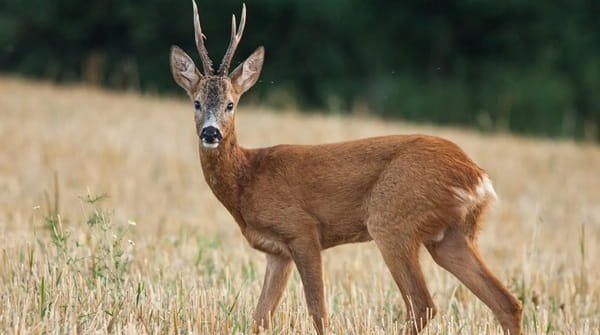
Are Deer Legally Considered Wildlife?
Native deer such as white-tailed and mule deer are generally regulated as wildlife. State agencies control their capture, possession, breeding, sale, transport, and release.
Hand-raising does not remove that legal status. Captive-bred deer may be kept under breeder, game-farm, livestock, or personal-possession programs, but those programs do not normally authorize taking deer from the wild.
Can You Keep an Orphaned Fawn?
Usually not as a permanent pet. People who find injured or apparently orphaned fawns are generally told to contact a permitted wildlife rehabilitator.
Florida, for example, states that injured, orphaned, or abandoned native wildlife is never eligible to become a personal pet. Rehabilitation is intended to treat and release wildlife, not create ownership rights.
Can You Own a Deer in Florida?
Florida provides a useful permit example. Deer are treated as game animals, and someone keeping a Class III game animal as a personal pet, without breeding it, can use the state’s free Class III personal-pet permit rather than a game-farm license.
The source still matters. Florida currently prohibits importing live cervids because of Chronic Wasting Disease, with only narrow exceptions. Buying a deer legally elsewhere does not mean it may be brought into Florida.
What About Deer Ownership in Texas?
Texas regulates white-tailed and mule deer through specialized permits rather than an ordinary pet-license system. A deer breeder permit allows captive holding for propagation and comes with reporting, transfer, and disease-control rules.
Texas also uses Deer Management Permits for temporary detention of deer on qualifying high-fenced properties. These programs are for regulated deer management, not ordinary household pet ownership.
Can Deer Be Kept as Livestock?
In some states, yes. Pennsylvania allows private cervid ownership through its Cervidae Livestock Operations program. A qualifying farm generally needs a state license, and animal-health testing may be required.
Such systems treat captive deer more like regulated agricultural animals than conventional pets, so fencing, identification, recordkeeping, and disease-surveillance rules may apply.
Is a Pet Deer Legal in California?
California is much stricter. Its wildlife agency states that non-releasable native wildlife cannot be kept as a pet.
Permits are for limited qualified purposes such as rehabilitation, research, education, propagation, or exhibition. A tame or non-releasable deer does not automatically become a legal pet.
Does Federal Law Affect Deer Ownership?
There is no single federal ban on every privately owned deer, but federal animal-health rules matter when captive deer move across state lines.
USDA APHIS regulates interstate movement of farmed and captive deer, elk, and moose because of Chronic Wasting Disease. Federal rules in 9 CFR Part 81 can require herd certification, identification, and disease-control compliance, and states may be stricter.
What Happens If You Keep a Deer Illegally?
Penalties can include confiscation, fines, citations, criminal charges, and loss of future permits. Unlawful transport can create additional violations.
Local zoning can also require suitable acreage, secure fencing, agricultural zoning, or other animal-control compliance.
The Bottom Line
It can be legal to own a deer in some U.S. jurisdictions, but ownership is usually permit-based and highly regulated. Florida provides a personal-pet route for certain captive game animals, Texas uses breeder and management permits, Pennsylvania licenses some cervids as livestock, and California does not allow native wildlife to become ordinary pets.
Before acquiring a deer, identify the species, confirm a lawful captive source, and check state wildlife, agriculture, CWD, transport, and local zoning rules. Finding or raising a wild fawn does not make private ownership legal.