An octopus may look like one of the more unusual animals a person could keep at home, but legally it is often treated more like marine aquarium life than a dangerous exotic pet. The biggest legal question is usually not simple possession, but how the animal was acquired. A captive-bred octopus from a lawful aquarium supplier can fall under very different rules from one taken directly from coastal waters.
In much of the United States, there is no blanket law prohibiting private ownership of a common aquarium octopus. Wild collection is regulated by state fishing and marine-life laws, while overseas imports can trigger federal wildlife declaration and inspection requirements. Species, source, collection method, and location therefore matter greatly.
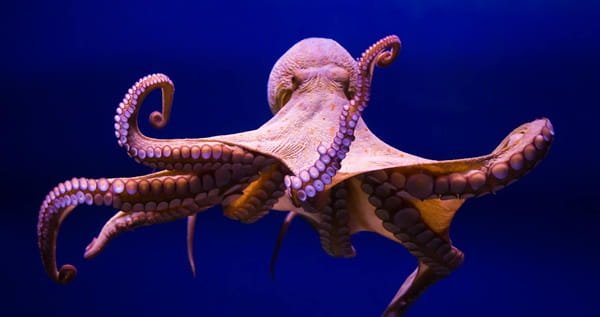
Is There a Federal Ban on Pet Octopuses?
There is no general federal ban on ordinary possession of a lawfully acquired octopus. Federal rules become more important when an animal is imported, exported, commercially traded, or otherwise protected.
The U.S. Fish and Wildlife Service defines wildlife broadly enough to include mollusks and other invertebrates. Imports and exports are generally subject to federal wildlife requirements, including Form 3-177 unless an exemption applies.
Can You Buy a Captive-Bred Octopus for an Aquarium?
Generally, yes, where state and local law allow it. A captive-bred octopus from a lawful seller is usually much simpler legally than one collected from the wild.
The buyer should still know the exact species and keep proof of lawful purchase. A seller’s willingness to ship does not prove that possession is legal at the destination.
Can You Collect a Wild Octopus in Florida?
Florida regulates recreational harvest of marine organisms. A saltwater fishing license is generally required, and separate marine-life rules apply when animals are collected alive for aquarium purposes.
Florida specifically regulates octopods in its marine-life rules. For covered species, the recreational aquarium limit is generally five individuals of a species within the 20-organism daily aggregate. The common octopus is treated differently, and closed areas can impose additional restrictions.
What Are the Rules in California?
California allows recreational take of octopus, but regulates the method. Current ocean-fishing rules generally allow saltwater mollusks, including octopus, to be taken only by hook-and-line or by hand unless another rule applies.
Marine protected areas can impose additional restrictions or prohibit take entirely. Buying from a lawful source is therefore different from removing an octopus from coastal habitat.
How Does Hawaii Regulate Octopus Collection?
Hawaii has species-specific rules for he’e, the local term for octopus. State regulations impose a one-pound minimum size for octopus that is taken or possessed.
Hawaii also allows some noncommercial aquarium collection with legal gear, but protected areas and local fishing zones can prohibit the taking of marine life.
Does Importing an Octopus Require Federal Paperwork?
It can. The U.S. Fish and Wildlife Service treats mollusks and other invertebrates as wildlife for import-export purposes. Shipments generally must be declared and may need designated inspection procedures.
Commercial shipments can involve additional licensing and inspection requirements, and the species or exporting country can matter.
Can You Release a Pet Octopus Into the Ocean?
A pet owner should not assume release is legal simply because the species could survive locally. States regulate the release of aquatic organisms to protect ecosystems and fisheries.
An unwanted octopus should be rehomed through a lawful aquarium, breeder, or other authorized placement rather than released into public waters without checking state rules.
The Bottom Line
Yes, it is generally legal to own a lawfully acquired octopus in many parts of the United States. Common captive aquarium species are not subject to a nationwide pet ban.
The more complicated rules concern collection and movement. Florida regulates live marine-life harvest, California controls how octopus may be taken, Hawaii imposes size and location restrictions, and federal wildlife rules apply to many imports and exports. Before acquiring one, confirm the species, source, and destination rules.