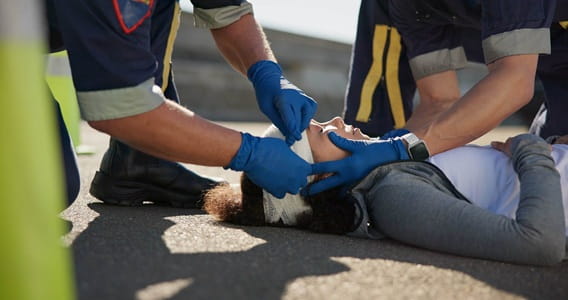
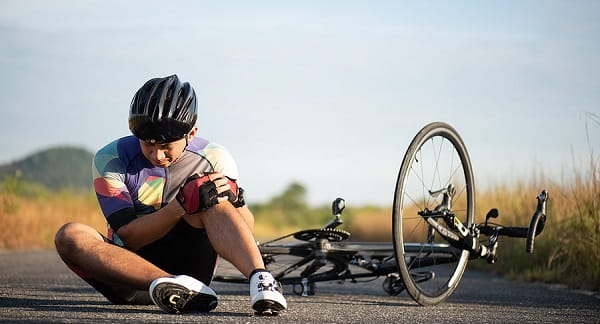
A bicycle accident can leave more than cuts, bruises, or broken bones. Even after the physical injuries begin to heal, you may feel nervous every time you hear a car approaching from behind. A short ride to the store may suddenly seem frightening, and busy roads may bring back memories of the crash.
This reaction can be hard to explain, especially if people around you think you should be feeling better. In a busy place like Las Vegas, where cyclists share roads with cars and other vehicles, getting back to normal can take time. Anxiety after a bicycle accident is a real part of recovery, and it deserves attention just like physical pain. Learning what causes these feelings and how to manage them can help you move forward at your own pace.
Give Yourself Time Instead of Rushing Back to Normal
It is natural to want your old routine back. You may miss riding to work, meeting friends, or taking weekend bike trips. But pushing yourself to do everything too soon can make recovery harder.
Start by accepting that healing looks different for everyone. You may feel ready to return to some activities before others. That is okay. Follow your doctor’s advice about physical activity, especially if you have a head injury, broken bones, or ongoing pain. Once you are cleared to move around, you can slowly rebuild your routine. A short walk in a quiet area may feel easier than riding along a busy road.
Try not to judge your progress by how quickly other people recover. Your body and mind need time to adjust.
Simple Ways to Manage Anxiety During Recovery
You do not have to wait until the fear disappears before taking small steps forward. A few daily habits may help you feel more settled.
Talk About What Happened
Keeping your feelings to yourself can make the experience feel even heavier. Talk to someone you trust about what happened and how it has affected you. You do not need to share every detail. Even saying that you feel nervous around traffic can help others understand what you are going through.
Use Small Steps to Rebuild Confidence
If riding again is part of your goal, there is no need to start on a busy road. You might begin by sitting on your bike, walking it around a quiet area, or taking a short ride with someone you trust after your doctor approves.
Let each step feel manageable. If anxiety becomes too strong, pause and try again another day.
Keep a Simple Daily Routine
Sleep, meals, gentle movement, and time with people you care about can help bring some order back to your day. You may also try slow breathing when you feel tense. Breathe in gently, then breathe out slowly. Repeat this a few times until your body begins to relax.
These habits cannot replace professional care, but they can support your recovery.
Reduce the Stress of Dealing With the Accident
Physical recovery can become more stressful when you also have medical bills, missed work, insurance calls, and questions about who caused the crash. These concerns can keep your mind focused on the accident when you are trying to heal.
Try to keep important papers, medical bills, and insurance messages in one place. Ask a trusted person to help with calls or paperwork if you find the process overwhelming.
If another person caused the crash, you may also want to understand your legal options. Speaking with a bicycle injury attorney in Las Vegas can help you understand how an injury claim works and what records may support it. For example, Cogburn Davidson’s approach to injury cases includes preparing claims for trial rather than treating every case as a quick settlement. Having clear information about your options may ease some of the uncertainty surrounding the financial side of recovery.
You should not feel pressured to make legal decisions before you are ready, but getting answers can help you plan your next steps.
When Anxiety Needs More Support
Some fear after an accident may ease with time. However, if it continues to affect your sleep, relationships, work, or daily activities, consider speaking with a mental health professional.
A therapist can help you understand your reactions and find ways to manage them. Treatments such as cognitive behavioral therapy (CBT) can help people work through frightening thoughts and reduce patterns of fear and avoidance. If you have ongoing nightmares, flashbacks, or strong anxiety, a professional can also check whether you may be dealing with post-traumatic stress disorder (PTSD).
Do not feel that you need to wait until things become unbearable before asking for help. You can speak to your doctor about what you are experiencing and ask for a referral.
It may also help to let family members know what support you need. Perhaps you would like someone to drive you to appointments, accompany you on short walks, or simply listen when you are having a difficult day.
Wrapping Up
Recovering from a bicycle accident can take a toll on both your body and your mind. You may feel nervous around traffic, lose confidence, or struggle with memories of the crash. These feelings deserve care, even when your physical injuries seem to be healing.
Give yourself time, take small steps, and reach out for support when you need it. You do not have to return to your old routine all at once. With the right help, you can work through the fear and gradually feel more comfortable in your daily life again.