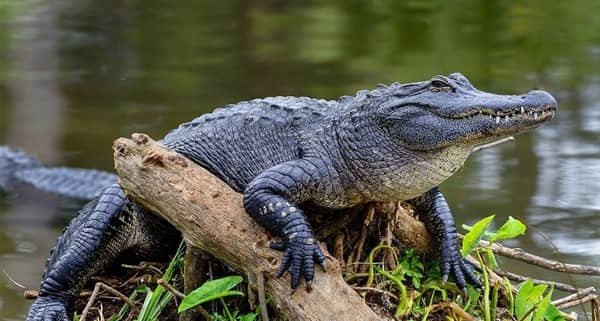
Alligators are native wildlife, powerful predators, and heavily regulated animals, so owning one is very different from keeping an ordinary reptile. A captive-bred alligator may be offered for sale in some places, but that does not make it legal everywhere. State permits, caging standards, public-safety rules, and federal wildlife protections can all affect ownership.
In some states, a private person can possess a lawfully acquired alligator after meeting strict licensing requirements. In others, ordinary pet ownership is effectively prohibited. Taking a wild alligator home is generally not a lawful way to acquire one, so both the animal’s source and the destination state’s permit rules matter.
Are Alligators Protected Under Federal Law?
Yes. The American alligator recovered dramatically from earlier population declines, but it remains federally regulated because it resembles other protected crocodilians.
The U.S. Fish and Wildlife Service keeps American alligators listed under the Endangered Species Act because of similarity of appearance to threatened crocodilians. They are also in CITES Appendix II, which regulates international trade.
These federal protections do not create a nationwide pet license. Private possession is still largely controlled by state law, while trade and transport can trigger additional federal rules.
Can You Own an Alligator in Florida?
Florida allows personal possession, but only under a demanding permit system. The Florida Fish and Wildlife Conservation Commission classifies alligators as Class II wildlife because they present a real or potential threat to human safety.
A private owner must obtain a Class II Personal Pet License, be at least 18, meet caging and facility standards, and document substantial practical experience with alligators or other crocodilians.
Florida also says live American alligators cannot simply be taken from the wild without an appropriate trapping license. Lawful acquisition is separate from possession.
What About Texas?
Texas takes a stricter approach. A person generally may not possess a live alligator without a valid alligator farming permit, apart from limited exceptions.
An alligator farmer permit covers commercial captive possession. Texas also warns people not to remove wild alligators or accept them as pets.
Is a Pet Alligator Legal in California?
California treats all crocodilians, including alligators, crocodiles, caimans, and gavials, as restricted species requiring a state permit.
California issues those permits only for limited qualified purposes such as research, exhibition, education, or shelter, not simply for household pet ownership.
How Does Louisiana Regulate Alligator Possession?
Louisiana also regulates live possession closely. State law says alligators and their eggs may be taken or possessed only as allowed by wildlife rules, with special permits used for authorized activities.
Louisiana also regulates tagging, hunting, farming, and commercial transactions. A legal harvest does not automatically create a right to keep a live alligator as a pet.
Does Captive Breeding Make an Alligator Automatically Legal?
No. Captive breeding may establish a lawful source, but the owner still must comply with the destination state’s possession rules.
Transport can create separate issues. Texas, for example, requires an alligator import permit, while Florida has its own import and captive-wildlife rules.
What Happens If You Own an Alligator Illegally?
Authorities can confiscate an unlawfully possessed alligator, issue fines, pursue criminal charges, and deny future permits. Unlawful capture, transport, or sale can create additional violations.
Local governments may also impose dangerous-animal, zoning, enclosure, or nuisance rules.
The Bottom Line
It can be legal to own an alligator in some U.S. jurisdictions, but it is never an unrestricted pet. Florida allows qualifying private owners under its Class II permit system, Texas generally limits live possession to permitted farming situations, and California does not issue restricted-species permits simply for pet ownership.
Before acquiring an alligator, confirm its lawful source and check state permits, import rules, local dangerous-animal ordinances, and federal trade requirements. A legal sale elsewhere does not make possession legal where the animal will live.