Chimpanzees are sometimes portrayed as unusually intelligent exotic pets, especially when they are young and accustomed to people. U.S. law, however, treats them very differently from ordinary companion animals. Chimpanzees are endangered great apes, and private possession can involve federal endangered-species restrictions, state dangerous-wildlife laws, USDA licensing rules, local ordinances, and strict controls on how the animal was acquired.
For a new private owner, obtaining a chimpanzee as a household pet is generally not a realistic legal option. Some states prohibit personal pet possession outright, while others regulate chimpanzees as dangerous wild animals. Federal law adds another major barrier: since 2015, all chimpanzees, including captive-born animals, have been listed as endangered under the Endangered Species Act. Importing one into the United States for use as a pet is also expressly prohibited by federal public-health regulations.
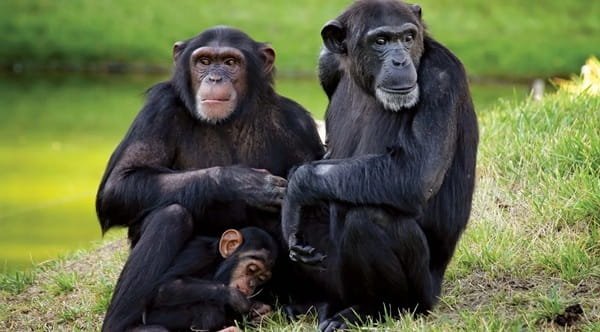
Are Captive Chimpanzees Federally Protected?
Yes. In 2015, the U.S. Fish and Wildlife Service ended the former legal distinction between wild and captive chimpanzees and listed the entire species, Pan troglodytes, as endangered under the Endangered Species Act.
That change means a chimpanzee does not lose federal protection simply because it was born in captivity. Activities such as interstate or foreign commerce, sale, import, export, and prohibited “take” can require federal authorization. Endangered-species permits are tied to purposes such as scientific research or activities that enhance the propagation or survival of the species, not ordinary pet ownership.
Can You Import a Chimpanzee as a Pet?
No. CDC regulations governing nonhuman primates are especially clear. Chimpanzees may be imported into the United States only for bona fide scientific, educational, or exhibition purposes.
Federal rules do not allow a nonhuman primate to be imported for use as a pet, hobby animal, or casual private display. The restriction even applies when someone already owns a primate abroad and wants to bring it back into the United States. Imported primates must also enter through registered importers and undergo federal quarantine requirements.
Can You Own a Chimpanzee in Florida?
Florida does not allow chimpanzees as personal pets. The Florida Fish and Wildlife Conservation Commission classifies chimpanzees in the genus Pan as Class I wildlife because of the threat they can pose to human safety.
Class I wildlife may be possessed only for qualifying commercial or institutional activities, not ordinary personal use. Applicants must meet extensive experience, facility, caging, financial-responsibility, and USDA licensing requirements. Florida also requires sustained commercial activity for Class I possession.
What Does Texas Law Say?
Texas classifies chimpanzees as “dangerous wild animals.” State law generally requires an owner to obtain a certificate of registration from the local animal registration agency and comply with enclosure, identification, insurance, and recordkeeping requirements.
Cities and counties may adopt stricter rules or prohibit dangerous wild animals altogether. Even where the Texas registration system is available, federal Endangered Species Act restrictions still apply to acquisition, transfer, sale, and other regulated activities.
Is Chimpanzee Ownership Legal in California?
California treats all nonhuman primates as restricted species. Importing, transporting, or possessing a chimpanzee therefore requires a state Restricted Species Permit.
California permits are intended for qualified purposes rather than ordinary household pet keeping. The state also imposes detailed caging and welfare standards for chimpanzees and other apes. A permit under state law does not replace any federal endangered-species authorization that may also be required.
Does Captive Breeding Make a Chimpanzee Legal?
No. Captive breeding does not remove the chimpanzee from federal endangered status. The Fish and Wildlife Service has a Captive-Bred Wildlife registration program for qualifying endangered-species breeding activities, but it is designed to support conservation and propagation, not to create a pet market.
USDA Animal Welfare Act rules can also apply to regulated dealers, exhibitors, transporters, and research facilities handling nonhuman primates. A USDA license does not override state pet bans or Endangered Species Act restrictions.
What Happens If a Chimpanzee Is Owned Illegally?
Unlawful possession or transfer can lead to seizure of the animal, state fines or criminal charges, loss of permits, and federal enforcement when endangered-species or import laws are violated. The exact penalties depend on what law was broken and how the animal was obtained or transferred.
Local dangerous-animal rules can create additional violations even when a person claims to have obtained the chimpanzee lawfully elsewhere.
The Bottom Line
A chimpanzee is not an ordinary legal household pet in the United States. Federal endangered-species protections sharply restrict commercial and interstate activities involving chimpanzees, and federal public-health law prohibits importing them for pet purposes.
State law adds another layer: Florida prohibits chimpanzees as personal pets, California treats all primates as restricted species, and Texas regulates chimpanzees as dangerous wild animals subject to local registration and possible local bans. Captive birth or a legal sale somewhere else does not automatically make private possession lawful.