Citizens for Responsibility and Ethics in Washington (CREW) filed a lawsuit on October 14, 2026, challenging Jared Kushner’s role in diplomatic negotiations for President Donald Trump. The watchdog group argues that Kushner has exercised significant governmental authority without the appointment, ethics review and financial disclosures it believes federal law requires. The lawsuit seeks to restrict his continued service unless those requirements are met. The dispute presents a recurring question in Washington: how far can an administration rely on informal advisers when they carry out work resembling official diplomatic duties? Presidents routinely consult relatives, business leaders and other private citizens.
But a person representing the United States in high-level negotiations may face legal requirements that do not apply to someone offering advice privately. CREW’s case seeks to draw that line by examining the actual functions Kushner performs rather than the label given to his role. The administration disputes the watchdog’s interpretation of the arrangement.
What role is Kushner performing?
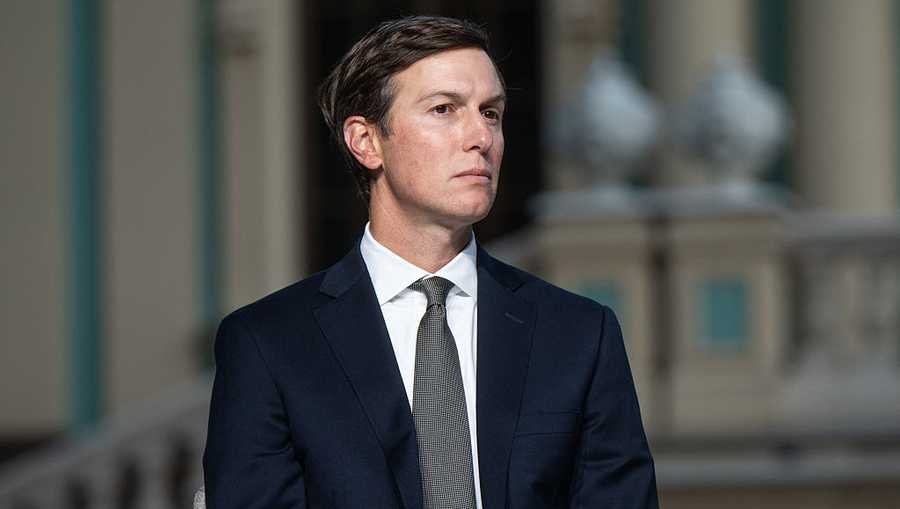
Kushner, Trump’s son-in-law, has participated in high-level diplomatic efforts involving major international disputes. The White House describes him as a private citizen voluntarily assisting the president, rather than as a conventional salaried official. According to reporting on the case, Kushner pays his own expenses and the administration maintains that government ethics officials approved the arrangement.
CREW disputes the legal significance of calling the position voluntary. Its complaint focuses on the responsibilities Kushner actually exercises, including interaction with foreign leaders on behalf of the United States.
Why does CREW object?
The organization invokes the Constitution’s Appointments Clause and federal ethics requirements. In its view, someone performing the functions of a senior American diplomat cannot avoid public-accountability rules simply because the administration has not given that person a formal government title.
CREW also raises potential financial-conflict concerns because Kushner continues to run Affinity Partners, an investment firm with substantial foreign investment. A potential conflict is not itself proof of misconduct. The case concerns which disclosure and appointment rules apply to Kushner’s official activities and whether those rules have been met.
What does the lawsuit ask the court to do?
The complaint seeks to prevent Kushner from continuing to exercise the disputed diplomatic role without satisfying the applicable requirements. It also seeks financial disclosures CREW says are required. The litigation names other administration figures, including Steve Witkoff, in connection with the challenged arrangement.
The suit does not automatically remove Kushner from negotiations. Filing a complaint begins legal proceedings; a court would need to issue an appropriate order before the requested restrictions could take effect.
What is the administration’s response?
Kushner’s lawyer has characterized the lawsuit as lacking merit and maintained that the arrangement received ethics approval. The White House likewise disputes CREW’s characterization of Kushner as an improperly appointed official. These positions are important because the case turns partly on how the facts of his duties fit the relevant legal definitions.
Why is the lawsuit significant?
Presidents regularly consult people outside government, including family members and advisers. But federal appointment and disclosure rules can become relevant when an adviser effectively performs official governmental functions. The dividing line between informal advice and the exercise of public authority is therefore central to the litigation.
As of October 30, 2026, the filing and competing public statements establish a legal dispute, not a judicial finding that Kushner violated federal law.
The difference between an adviser and an officer
The Appointments Clause generally governs the selection of people who hold federal offices and exercise significant governmental authority. Informal advisers, by contrast, can speak with the president and offer recommendations without necessarily occupying such an office. Whether a particular role crosses that boundary depends on its duties, authority and legal framework. CREW argues that Kushner’s diplomatic activities amount to more than casual consultation. The government may argue that the president retains control of negotiations and that Kushner has no independent authority to bind the United States. Those are legal positions to be tested, not established findings.
Why financial disclosures matter
Federal ethics disclosures can reveal categories of financial interests and help assess potential conflicts in government service. CREW points to Kushner’s continued role at an investment business with substantial foreign funding as part of its concern. Holding an investment interest does not by itself prove unlawful conduct. The relevant issue is whether applicable disclosure and conflict rules attach to his government-related work. The case could turn on threshold questions of standing and justiciability before any court reaches the substance of the appointment dispute.