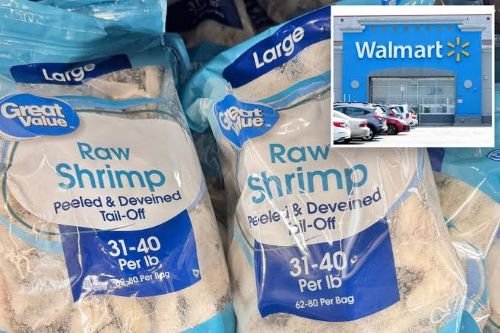
Frozen shrimp is commonly covered in a thin layer of ice to protect its quality during storage and transportation. But consumers expect the net weight printed on the bag to describe the seafood they are purchasing, not extra frozen water. That difference is at the heart of a new lawsuit against Walmart over Great Value frozen shrimp. An Illinois shopper alleges that packages contained less edible shrimp than their labels promised because the weight of protective ice glaze was included in the stated amount. The complaint describes alleged shortfalls of up to 11% and seeks to pursue claims on behalf of other Illinois purchasers. Walmart disputes no finding of wrongdoing because no such finding has been made: the matter remains a proposed class action based on allegations that must be tested through litigation.
Who Filed the Case and Where
Elijah Baptist filed Baptist v. Walmart Inc., case number 2026CH09745, in the Circuit Court of Cook County, Illinois, on October 8, 2026. Baptist alleges that he bought Great Value frozen shrimp over several years and relied on the net weight stated on the packaging. Reporting on the complaint describes a June 2026 seafood gathering as one occasion connected to his purchases. He contends that weighing shrimp after thawing and draining exposed a discrepancy between the amount advertised and the seafood actually provided.
What Is Ice Glazing?
Ice glazing involves applying a protective layer of frozen water to seafood. It can reduce dehydration and freezer burn, so using glaze is not inherently improper. The legal controversy is whether that glaze has been counted as part of the food’s declared net weight. A two-pound label tells a shopper how much product is being sold; it is materially different if a portion of that measured weight is protective ice that disappears when the contents are properly thawed. The complaint’s central theory is that consumers paid for more shrimp than they received.
What the Complaint Alleges
Baptist accuses Walmart of deceptive practices and warranty-related violations stemming from allegedly inaccurate labeling. The suit alleges that some bags were short by as much as 11% after accounting for the glaze. It also argues that customers might have chosen a different product or paid less had they known the true amount of shrimp. Those percentages describe the plaintiff’s allegations, not an independent finding that every Walmart shrimp package is underweight. Individual products, batches and weighing methods may matter if the case advances to evidence gathering and expert testimony.
Why Federal Seafood Labeling Rules Matter
Federal food-labeling guidance has long warned seafood sellers against including glaze weight in the declared net weight of frozen fish and shellfish. Those rules provide important context for the plaintiff’s theory, but citing a federal labeling rule does not automatically establish that Walmart violated it in this case. The court would need to consider the product labels, the actual weights, the measurements used, the legal claims properly before it and Walmart’s response. A state consumer case also presents questions about whether an individual purchaser can represent a broader group of buyers with sufficiently similar experiences.
What the Lawsuit Seeks
The complaint seeks damages, restitution and an injunction addressing the alleged labeling practice. It also asks for class-action treatment on behalf of Illinois consumers who purchased the relevant Great Value shrimp products. A proposed class action is not the same as a certified class action. A judge must determine whether the legal requirements for proceeding on behalf of a class are satisfied. The plaintiff’s request for a jury trial likewise does not mean a trial has been scheduled or that a jury has found the allegations true.
Walmart’s Response and Current Status
In October 2026, a Walmart spokesperson said the company maintains policies intended to help ensure that suppliers label products correctly and that it was reviewing the complaint and would respond in court. As of October 30, 2026, available reporting does not establish a settlement, class certification, judgment or approved consumer claim form. This lawsuit should not be confused with earlier shrimp recalls involving different concerns. It is a labeling and quantity dispute, not a court finding that the product is contaminated or unsafe to eat.
What Customers Should Know
Consumers who think a package was mislabeled can keep receipts, photographs of the front and back labels, lot information and the original purchase details. Any comparison of product weights should use a consistent, appropriate method rather than assuming the difference between frozen and thawed weights alone proves misconduct. No one should pay a website to enroll in a settlement that has not been announced by a court. Further developments will depend on Walmart’s formal response, procedural rulings and whether the plaintiff can substantiate the alleged shortfalls.