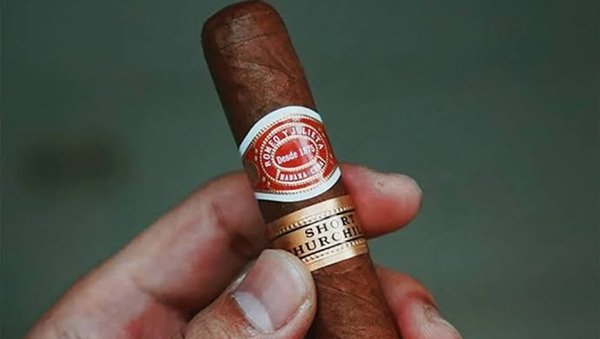
Cuban cigars have a reputation for craftsmanship, but their reputation is only part of why they attract attention in the United States. A traveler may legally smoke one while visiting certain countries, yet face a different rule when trying to bring the same cigar home. The restriction is not a general law against smoking cigars. It comes from long-standing U.S. economic sanctions on Cuba, which regulate transactions and imports involving Cuban-origin products.
Why the United States Restricts Cuban Cigars
The United States imposed a broad trade embargo against Cuba in the early 1960s amid political conflict following the Cuban Revolution. The restrictions were designed to limit economic dealings with the Cuban government. The Cuban Assets Control Regulations, primarily found in 31 CFR Part 515, continue to govern many transactions involving Cuban property and merchandise. Congress also reinforced major aspects of the embargo through later legislation, including the Cuban Liberty and Democratic Solidarity Act of 1996.
Cigars are affected because they are Cuban-origin goods, not because their tobacco is inherently unlawful. The same broad sanctions framework has covered various other Cuban products, subject to specific exceptions and licensing rules. U.S. authorities distinguish between a product’s origin and a consumer’s personal preference for it.
Can Travelers Bring Cuban Cigars Into the United States?
Generally, no. As of November 2026, ordinary travelers cannot bring Cuban-origin cigars into the United States as personal baggage merely because the quantity is small or intended as a gift. The Treasury Department’s Office of Foreign Assets Control and the Alcohol and Tobacco Tax and Trade Bureau explain that the personal-use exception for Cuban tobacco ended on September 24, 2020.
Earlier rules were different. In 2016, federal policy permitted certain travelers to bring back Cuban tobacco for personal use under authorized circumstances. The 2020 change withdrew that allowance. Advice claiming that a small box or a particular dollar value is automatically permitted may therefore be outdated.
The restriction is not avoided by buying the cigars in Canada, Mexico, or another third country. Cuban origin remains the central issue. Travelers should declare goods accurately rather than assuming a foreign retailer’s receipt makes a prohibited import lawful.
Is It Legal to Smoke Cuban Cigars Outside the United States?
The import restriction is not a worldwide ban on Cuban cigars. Under Treasury guidance, U.S. persons who are authorized to travel to Cuba may buy tobacco products for personal consumption while there. U.S. persons in third countries may also be allowed to purchase and consume Cuban-origin tobacco outside the United States under applicable authorization.
That distinction matters: a purchase for consumption abroad is not the same transaction as importing the product into the United States. Separate rules apply to travel to Cuba itself, and U.S. tourist travel is not generally authorized simply because an airline sells tickets.
What About Cigars Already Inside the United States?
The law should not be reduced to the claim that possessing any Cuban cigar is automatically a federal crime. Possession, importation, sale, and commercial dealings are different legal questions. Some cigars may have entered before the embargo or under a specific authorization. Whether any particular transfer is lawful depends on the product’s history and the applicable regulations.
Buying newly imported Cuban cigars through an ordinary U.S. retailer is not a lawful workaround. Websites advertising authentic Havana cigars for U.S. delivery may raise customs, sanctions, and authenticity concerns. Cigars using Cuban-sounding brand names but manufactured in another country are not necessarily Cuban-origin goods; their actual origin must be checked.
What Happens If Someone Tries to Import Them?
U.S. Customs and Border Protection can enforce import restrictions, and prohibited goods may be detained or seized. More serious sanctions violations can bring civil penalties and, where statutory requirements are satisfied, criminal exposure. The consequences depend on the facts and the governing law; there is no single automatic penalty for every traveler.
Conclusion
Cuban cigars are restricted in the United States because of the trade embargo and the rules governing Cuban-origin merchandise. The key modern rule is that the former personal-baggage allowance ended in September 2020. Enjoying a Cuban cigar abroad and bringing one into the United States are legally distinct acts. Travelers and buyers should confirm current Treasury and customs rules before purchasing Cuban tobacco for transport.