Federal investigators searched the Washington, D.C., residence of Minnesota Representative Ilhan Omar on October 12, 2026, as part of an investigation into decades-old immigration records. The action brought renewed scrutiny to her family’s arrival in the United States and to the limits on searches involving members of Congress. Investigators have also examined financial disclosures tied to her husband’s businesses. Omar denies wrongdoing and says the investigation is politically motivated. The existence of a warrant and grand jury subpoenas does not establish that she committed a crime.
What Investigators Are Examining
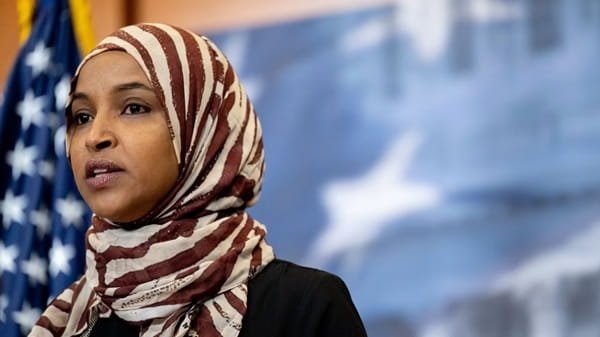
Reporting by Reuters and other major news organizations indicates that Homeland Security Investigations, the criminal investigative arm of ICE, is reviewing whether information submitted when Omar and family members entered the United States as refugees in the 1990s, or later sought citizenship, was accurate. Some reporting says authorities are focused on possible discrepancies in records completed when Omar was a child. Her family came to the country in 1995, and she became a U.S. citizen in 2000.
Sources familiar with the case said the sealed search warrant identified potential immigration-fraud, false-statement, and conspiracy offenses as investigative subjects. Those descriptions identify possible legal theories under examination, not proven violations or filed charges.
The October Search and Grand Jury Subpoenas
Federal agents searched Omar’s home on October 12 and seized materials, including her phone, according to reports citing people briefed on the investigation. More than a dozen grand jury subpoenas were reportedly issued, including to relatives. A grand jury can require testimony and records as investigators collect information. Receiving a subpoena does not mean the recipient has been charged with or implicated in a crime.
The Department of Justice asked a court in late October to keep the supporting warrant materials sealed, arguing that public disclosure could interfere with the continuing investigation. The government’s filing said charging decisions had not yet been made. Because the underlying affidavit was not public, outside observers could not independently assess the complete evidentiary basis for the search.
Special Constitutional Questions for Congress
Investigators searching material belonging to a member of Congress must consider the Speech or Debate Clause, which protects legitimate legislative activity from certain executive-branch inquiries. The D.C. Circuit’s decision in United States v. Rayburn House Office Building is an important precedent involving review of potentially protected legislative records. According to reporting on the Omar search, a magistrate judge required screening procedures intended to protect legislative material before approving the warrant.
The clause is not a blanket exemption from criminal investigation. It can, however, restrict how investigators handle protected documents and communications. Whether particular records qualify for protection may require court review.
The legal status of a search warrant also differs from the status of a conviction. A judge assessing a warrant is deciding whether there is sufficient probable cause for specified investigative activity, rather than whether a person is guilty beyond a reasonable doubt. Defense counsel may later dispute a search, seek access to records, or argue that particular evidence is privileged. Those procedural protections matter especially when the material could include confidential work done on behalf of constituents or Congress.
A Separate Financial-Disclosure Inquiry
Federal prosecutors have also examined questions about the reported valuation of businesses operated by Omar’s husband, Tim Mynett. Public disclosures initially generated scrutiny because they appeared to assign substantial values to business interests. Omar attributed the figures to an accounting error and submitted an amended disclosure. Questions about financial forms and immigration paperwork are separate issues; neither should be treated as established fraud merely because officials are investigating.
Legal Status and the Road Ahead
Any effort to prosecute alleged false statements or revoke citizenship would require its own legal grounds and procedural safeguards. Naturalized citizenship cannot be taken away simply through a public allegation or political statement. The timing of the search shortly before the November elections also prompted criticism, although Justice Department election-period guidance is not itself an automatic bar to every investigative act.
As of November 6, the publicly reported matters remained inquiries rather than findings of guilt. Further developments depend on evidence, possible court rulings, and whether prosecutors pursue specific charges. Omar is entitled to contest the allegations and any proposed legal action.