An investigation involving Tecumseh High School in Oklahoma expanded during October 2026 after several students reported allegations of inappropriate conduct by head football coach Randon Lowe. Police began examining the allegations and whether school personnel responded properly to earlier reports. The Oklahoma State Bureau of Investigation joined the case, and six district employees were placed on administrative leave. These measures reflect the seriousness of the inquiry, but administrative leave is not a disciplinary finding, and the allegations must not be reported as proven facts.
How the Police Investigation Began
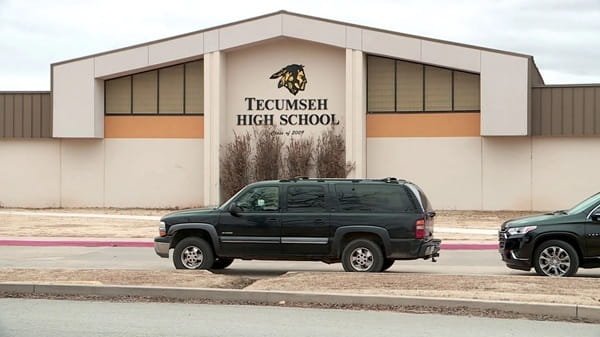
Tecumseh Public Schools placed Lowe on administrative leave on September 29. Police Chief J.R. Kidney confirmed that investigators had spoken with students about alleged inappropriate conduct, including reports relating to the previous school year and fresh allegations in 2026. Local reporting described accounts involving at least four female students.
Authorities revisited earlier complaints as additional information emerged. The investigation addresses both what may have happened and what officials knew when concerns were raised. The identities of students have appropriately not been made public. In the initial public reports, Lowe had not been arrested or charged, and the allegations had not been adjudicated.
Why the Inquiry Expanded to Administrators
On October 14, Tecumseh Public Schools placed three more employees on leave: principal Jaime Griggs, athletic director Casi Bays, and counselor Erin Meyers. Police said they were examining whether reports had been handled properly. The district stated that leave was not punishment and was intended to preserve the integrity of the investigation while officials cooperated with law enforcement.
The school board then voted on October 27 to place the superintendent and assistant superintendent on administrative leave as well. Including Lowe, that brought the publicly reported total to six employees on leave. Such steps do not mean each person is accused of the same conduct. Any responsibility would depend on individual actions, duties, knowledge, and verified evidence.
The Roles of Police and State Investigators
Tecumseh Police sought assistance from the Oklahoma State Bureau of Investigation as the scope of interviews and allegations grew. Police gather statements, preserve relevant messages or records, and determine whether there is evidence that may justify criminal charges. The district attorney, not the school board, decides whether to bring charges under applicable criminal law.
An employment investigation has a different purpose. A district may determine whether employees followed reporting requirements, school policies, and professional standards even if prosecutors later decide criminal charges are not warranted. The standards and potential consequences are not identical.
Student Protection and Reporting Duties
Schools have obligations to respond appropriately to suspected misconduct involving minors. Depending on the facts, Oklahoma child-abuse reporting rules, district safeguarding policies, and federal Title IX requirements may be relevant. Mandatory-reporting duties generally focus on promptly alerting the appropriate authorities rather than allowing staff to resolve possible abuse privately.
Investigators may need to reconstruct when a report was first received, who received it, what steps were taken, and whether information was shared with legally required agencies. A failure to document or escalate a concern could create a separate issue from the underlying allegation. Whether any particular employee breached a duty requires evidence and a fair review.
School leaders must also avoid retaliation against anyone who raises a genuine safeguarding concern. Responsible procedures typically include confidential reporting channels, records of decisions, separation of accused staff from investigative decisions when appropriate, and support for students while facts are established. Such practices help protect complainants and employees alike. Because the reported case involves minors, identifying details and speculative accounts should not be published. The available public information does not establish that every employee placed on leave personally witnessed the alleged conduct or intentionally disregarded a report.
What Is Known and What Remains Open
By late October, local news organizations reported no arrest or filed charge against Lowe. The board had reorganized district leadership on an interim basis while the investigations continued. Publicly confirmed outcomes therefore remained limited: student allegations had been reported, police and state investigators were involved, and multiple employees were on leave.
The next meaningful steps will be any prosecutor’s charging decision, school-board employment action, or official findings about the handling of student reports. Until such decisions are documented, the people named retain the presumption of innocence, while students’ privacy and safety should remain central to coverage of the case.