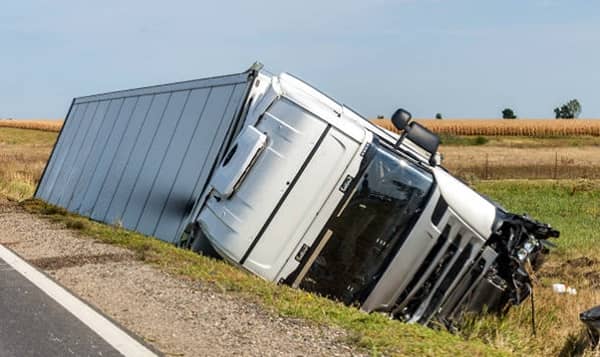
A car accident can leave people facing injuries, repair costs, missed work, and difficult conversations with insurance companies. Even a crash that appears minor at first may lead to pain or medical problems that develop over the following days. Knowing the basic rules for insurance claims and legal responsibility can help injured drivers make informed decisions while they recover.
People seeking information about their legal options may consult a car accident lawyer in Lansing to better understand the claims process. Michigan follows a no-fault insurance system, which means an injured person will often turn to their own auto insurance policy for certain benefits, regardless of who caused the crash. However, some accidents also allow an injured person to pursue a claim against the driver responsible for the collision.
Understanding Michigan’s No-Fault Insurance System
Michigan’s no-fault system is designed to provide certain benefits through auto insurance after a covered accident. Personal Injury Protection, commonly called PIP, may cover eligible medical expenses and other losses, depending on the policy and the coverage selected. These benefits can be important when an injured person needs treatment or cannot return to work right away.
The benefits available depend on the policy, the circumstances of the accident, and the applicable legal rules. For example, PIP may cover qualifying medical care, certain lost wages, and replacement services for tasks an injured person can no longer perform. Coverage limits and eligibility requirements can affect what an insurer pays.
No-fault insurance does not mean that fault is irrelevant in every situation. Responsibility can still matter when a person seeks compensation from another driver for injuries that meet Michigan’s legal threshold. Property damage claims also follow different rules from claims for personal injuries. Understanding which type of claim applies is an important early step after a crash.
When Can an Injured Driver Sue Another Motorist?
An injured person may have grounds to bring a third-party claim when another driver’s negligence causes a crash and the injuries satisfy the legal requirements for such a lawsuit. Negligence may involve speeding, distracted driving, failing to yield, following too closely, or ignoring a traffic signal. Evidence must connect the driver’s conduct to the collision and the resulting injuries.
Michigan law generally requires an injury to meet a threshold before a person can recover certain non-economic damages, such as pain and suffering, from an at-fault driver. The legal standard includes serious impairment of body function, permanent serious disfigurement, or death. Whether an injury qualifies depends on the facts and the applicable law, not simply on how painful the accident was.
A third-party claim may allow an injured person to seek damages beyond the benefits available through their own policy. Depending on the circumstances, those damages may include pain and suffering, excess economic losses, and other legally recoverable harm. A claim does not guarantee payment, however. The injured person must establish the necessary elements and address any defenses raised by the other side.
Evidence Can Make a Difference in a Car Accident Claim
The information gathered after a crash can help explain how the collision happened and how it affected the people involved. Police reports, photographs, witness statements, medical records, and insurance documents may all become relevant. Keeping these materials organized can make it easier to answer questions from an insurer or legal representative.
Medical documentation is especially important. Seeking treatment promptly helps address injuries and creates a record of symptoms, diagnoses, and recommended care. Some injuries, including concussions and soft-tissue damage, may not be obvious at the scene. Delaying care can affect a person’s health and make it harder to document the connection between the crash and later symptoms.
Drivers should also keep records of expenses and missed work. Receipts for prescriptions, medical appointments, and other accident-related costs can help support a claim. If an injury affects employment, wage statements or employer records may help show the financial impact. It is best to keep copies of documents rather than relying on memory when questions arise months later.
Dealing With Insurance Companies After a Collision
Insurance companies review claims to determine coverage, responsibility, and the amount of any payment. They may request statements, medical records, bills, photographs, or other evidence. Responding accurately and keeping copies of communications can help reduce confusion during the process.
Before giving a recorded statement or signing a settlement agreement, an injured person should understand what the request involves. A settlement may resolve some or all claims related to an accident, and accepting payment can affect the ability to seek additional compensation later. This is particularly important when treatment is ongoing or the long-term effects of an injury remain uncertain.
Michigan’s no-fault insurance rules can be complicated, especially when multiple policies, serious injuries, or disputed facts are involved. The official Michigan no-fault insurance statute explains an important part of the state’s framework for personal protection insurance benefits. Reviewing the law can provide background, although a statute alone may not answer every question about an individual claim.
Common Mistakes That Can Complicate a Claim
After a collision, people may feel pressure to settle matters quickly and return to normal life. However, certain mistakes can make the claims process more difficult. One common problem is failing to seek medical care because the injury seems manageable at first. Another is discarding receipts or losing documents that could help establish expenses and missed income.
Social media can also create complications. Posts or photographs may be taken out of context during a dispute over the severity of an injury. It is sensible to avoid making public statements about the accident or discussing a pending claim online while the facts are being reviewed.
People should also be careful about accepting early settlement offers without understanding the full scope of their losses. A quick payment may not account for future treatment, ongoing symptoms, or time away from work. Each case is different, so decisions should be based on the available evidence, the terms of the offer, and the person’s circumstances.
Why Local Knowledge Can Matter in Lansing
Lansing serves as Michigan’s state capital and has a mix of government offices, workplaces, residential neighborhoods, and busy roads. Daily commuting, school travel, and traffic near commercial areas can create a variety of driving conditions. After a collision, people may need to coordinate medical appointments, vehicle repairs, insurance communications, and time away from work while managing these everyday responsibilities.
Understanding the local circumstances of a crash can help when gathering evidence and identifying potential witnesses. The precise location, road layout, traffic controls, weather, and available camera footage may all be relevant to how an accident occurred. A careful review of these details can help establish a clearer account of the event.
Making Informed Decisions After a Crash
A car accident can create uncertainty at a time when injured people need to focus on recovery. Understanding Michigan’s no-fault system, documenting medical treatment, preserving evidence, and reviewing insurance communications can help people make better decisions about their claims.
People should report accidents to their insurers according to the applicable policy requirements and seek medical care if symptoms appear, even when they develop days after the collision. Keeping police reports, insurance correspondence, medical records, bills, wage documentation, and settlement papers can also help resolve questions during the claims process and afterward.
When injuries are serious, responsibility is disputed, or an insurer questions coverage, legal guidance may help clarify the available options. Each accident involves different facts, policies, and legal considerations, so there is no single outcome that applies to every claim. Careful preparation and a clear understanding of the relevant rules can help injured people approach the process with greater confidence.
This article provides general educational information and is not a substitute for advice about a specific legal matter.