Peacocks are a familiar sight in zoos, estates, farms, and even some residential neighborhoods, which can make their legal status seem simpler than that of other exotic birds. In much of the United States, owning Indian peafowl can be lawful, and some states treat them more like poultry or exotic fowl than restricted wildlife. That does not mean, however, that a peacock can be kept at any home without checking the rules.
The legal answer depends on several layers of regulation. State wildlife agencies may impose few restrictions, while a city or county can limit peafowl because of noise, lot size, sanitation, roaming, or zoning concerns. Federal law also becomes important when birds are imported from another country or moved through regulated wildlife trade. So a peacock that is perfectly legal on a rural property may be prohibited only a few miles away inside a city.
Is a Peacock Considered a Legal Pet in the United States?
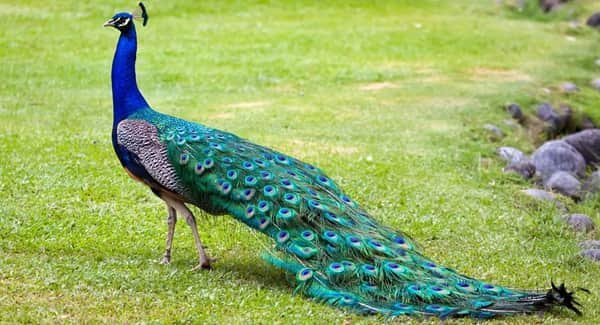
In many jurisdictions, yes. The bird most people call a peacock is the male Indian peafowl, Pavo cristatus; females are peahens, and the species collectively is called peafowl. Indian peafowl are nonnative to the United States and are commonly kept in captivity.
They are not regulated like most native migratory birds. Many states instead treat peafowl as poultry or exotic fowl.
What Do State Laws Say About Peacock Ownership?
Florida is relatively permissive. The Florida Fish and Wildlife Conservation Commission states that peafowl are considered domestic and are not treated as Class III wildlife. As a result, FWC does not require the ordinary captive-wildlife personal-pet permit simply to keep peafowl.
Texas is also relatively permissive. Texas Parks and Wildlife identifies peafowl among birds that do not require a commercial game-bird breeder license, and nonnative exotic fowl generally are not subject to the possession limits applied to protected native birds on private property.
Those examples are not a nationwide rule. State agriculture agencies and local governments can impose separate rules on entry, housing, sale, disease control, or flock size.
Can a City Ban Peacocks Even If the State Allows Them?
Yes, and this is one of the most important points for prospective owners.
Peafowl can be loud during breeding season and may wander onto neighboring property, so local governments often regulate them through zoning and nuisance laws.
For example, Beaumont, California, generally prohibits peacocks but allows them on qualifying rural-residential parcels of at least one acre, with a limit of one per acre. Chino Hills prohibits residential peafowl when their sound unreasonably disturbs the neighborhood. Other cities impose setbacks, enclosure rules, or bans.
Does Federal Law Apply to Peacocks?
Federal law generally does not prohibit ordinary possession of an Indian peafowl already lawfully in the United States, but import and international-trade rules still matter.
Indian peafowl are listed in CITES Appendix III at the request of Pakistan. Appendix III does not ban ownership, but international shipments require documentation, enforced in the United States by the U.S. Fish and Wildlife Service.
USDA treats peafowl as poultry for import purposes. Bringing live birds into the United States can require permits, veterinary documentation, inspection, and disease-control compliance.
Can You Let a Peacock Roam Freely?
Legal ownership does not necessarily mean a bird may roam through the neighborhood. Animal-at-large, nuisance, trespass, and local animal-control rules can apply when a peacock repeatedly leaves its owner’s property.
Noise, droppings, damaged landscaping, and aggressive behavior can also trigger complaints, making secure housing important.
What Happens If You Keep a Peacock Where It Is Prohibited?
Consequences depend on local and state law. Authorities may issue warnings or citations, impose fines, require the bird to be relocated, or treat repeated noise or roaming problems as a public nuisance. Import violations can bring separate federal enforcement consequences.
The Bottom Line
Owning an Indian peafowl is legal in many parts of the United States, and some states impose little or no wildlife-permit burden on private possession. The bigger obstacle is often local law, where zoning, lot size, noise, sanitation, or nuisance rules may apply.
Before buying a peacock, check the state wildlife or agriculture agency as well as your county and city code. If the bird is being imported from outside the United States, federal CITES and USDA animal-health requirements must also be reviewed.