Every day, cyclists ride through St. Louis expecting drivers to notice them.
Too often, that expectation ends with flashing emergency lights, damaged bicycles, and serious injuries. Whether you are commuting through downtown, riding in Forest Park, or traveling along busy commercial corridors, understanding your rights after a crash is just as important as riding safely. For injured cyclists, learning how St. Louis bicycle accident claims work can help protect both financial recovery and future medical needs after a collision.
Many people believe bicycle crashes happen because cities lack enough bike lanes.
Bike lanes certainly improve safety.
They are not the complete solution.
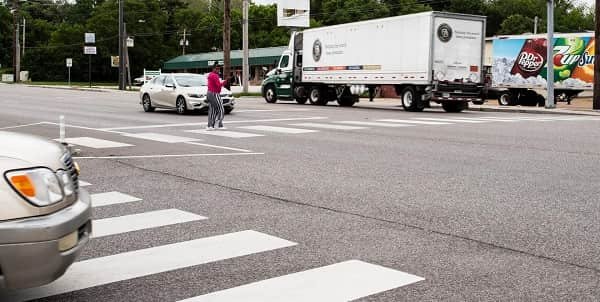
The biggest cause of serious bicycle crashes is often not poor road design. It is the moment a driver fails to recognize a cyclist sharing the road.
That simple reality changes how experienced riders approach every intersection, every parked vehicle, and every turning car.
“The safest cyclists never assume they have been seen, even when they have the legal right of way.”
Understanding where conflicts develop helps reduce risks long before a collision occurs.
Intersections Create the Greatest Danger
Most serious bicycle crashes occur where vehicles and bicycles cross paths.
Intersections force drivers to process multiple pieces of information simultaneously.
Traffic lights.
Pedestrians.
Turning vehicles.
Navigation systems.
Traffic signals.
Incoming traffic.
Cyclists often become one more object competing for a driver’s attention.
Roads such as Kingshighway Boulevard, Grand Boulevard, Gravois Avenue, Natural Bridge Avenue, Market Street, and Washington Avenue experience heavy traffic throughout the day, increasing opportunities for dangerous conflicts.
Drivers preparing to turn right frequently focus on approaching vehicles while overlooking cyclists traveling alongside them.
Left-turn collisions occur when motorists misjudge a cyclist’s speed or simply fail to notice the rider altogether.
Delivery trucks, parked vehicles, construction equipment, and roadside landscaping may further reduce visibility.
Every intersection should be approached as a potential conflict zone rather than a routine crossing.
Experienced cyclists constantly scan for small movements that suggest a vehicle may suddenly enter their path.
Visibility Often Matters More Than Courtesy
Many cyclists naturally ride as close to the curb as possible because they believe doing so helps traffic move more smoothly.
Unfortunately, hugging the edge of the roadway may actually reduce visibility.
Cyclists positioned too close to parked vehicles risk being struck by suddenly opened car doors.
Roadside debris, drainage grates, uneven pavement, and potholes also create additional hazards near the shoulder.
Missouri law generally allows cyclists to occupy a travel lane when the lane is too narrow for safe side-by-side travel or when hazards make riding near the roadway edge unsafe.
The National Highway Traffic Safety Administration also emphasizes that motorists should recognize cyclists as vulnerable road users and provide sufficient space when passing.
A rider traveling in a visible, predictable position is often easier for drivers to recognize than someone riding tightly against the curb.
Visibility helps reduce confusion while encouraging drivers to make safer passing decisions.
Most Bicycle Collisions Begin Before Impact
The collision itself is usually the final event.
The chain of events leading to that impact often begins several seconds earlier.
A driver glances at a navigation screen.
A vehicle begins turning without checking a blind spot.
Someone exits a parked vehicle without looking for approaching bicycles.
A cyclist enters an intersection assuming oncoming traffic will stop.
Each small decision creates another opportunity for conflict.
“The most dangerous rider is not the fastest rider. It is the rider who assumes everyone else is paying attention.”
Experienced cyclists develop defensive riding habits that anticipate mistakes rather than reacting after they happen.
They monitor wheel movement instead of waiting for vehicles to fully enter the roadway.
They reduce speed near intersections.
They establish eye contact whenever possible.
Most importantly, they prepare for the possibility that another road user simply has not seen them.
The First Minutes After a Crash Matter
The moments immediately following a bicycle collision often influence everything that follows.
Adrenaline frequently masks pain.
Many injured riders initially believe they escaped serious injury, only to develop symptoms hours later.
Seeking prompt medical evaluation protects both physical recovery and future legal documentation.
If injuries allow, documenting the accident scene also becomes extremely important.
Photographs showing vehicle positions, roadway conditions, damaged equipment, traffic signals, skid marks, and visible injuries preserve information before conditions change.
Witness contact information should also be collected whenever possible.
Police reports, medical records, photographs, and eyewitness accounts frequently become the foundation of a successful injury claim.
Without this documentation, proving exactly what occurred becomes significantly more difficult.
Insurance Companies Begin Their Investigation Immediately
Many injured cyclists receive phone calls from insurance companies shortly after a collision.
Although adjusters may appear helpful, their role includes evaluating liability and managing claims on behalf of the insurance carrier.
Recorded statements are sometimes requested before medical providers fully understand the extent of an injury.
Early settlement offers may also arrive before future treatment needs become clear.
Serious bicycle injuries often require months of rehabilitation, follow-up care, physical therapy, or additional medical procedures.
Lost wages and reduced future earning capacity may continue long after visible injuries heal.
Accepting compensation before understanding the full impact of an injury can permanently limit future recovery.
Taking time to evaluate long-term medical needs allows injured cyclists to make better-informed decisions.
Bicycle Accident Claims Often Extend Beyond Medical Bills
The financial consequences of a serious bicycle crash frequently involve much more than emergency treatment.
Hospital care.
Specialist appointments.
Physical therapy.
Prescription medications.
Future surgeries.
Lost income.
Reduced earning capacity.
Emotional distress.
Pain and suffering.
Each of these losses may affect an injured rider long after the collision itself.
A complete claim should reflect both current expenses and anticipated future needs resulting from the accident.
Understanding these damages helps injured cyclists appreciate why careful documentation and medical follow-up remain so important throughout recovery.
Safer Streets Begin With Shared Responsibility
Road improvements continue making cycling safer throughout many communities.
Protected bike lanes.
Improved intersections.
Enhanced roadway markings.
Public education campaigns.
Each initiative contributes to reducing crashes.
The U.S. Department of Transportation also provides research, safety programs, and educational resources that support bicycle safety improvements nationwide while encouraging safer interactions between motorists and cyclists.
Infrastructure matters.
Public awareness matters.
Traffic enforcement matters.
Yet none of these measures eliminate the need for every driver and cyclist to remain attentive.
The greatest protection often comes from recognizing one important truth.
Drivers sometimes fail to see cyclists.
Cyclists should never assume they have been noticed simply because traffic laws give them the right of way.
Staying visible, anticipating potential conflicts, documenting every detail after a collision, and understanding legal rights before speaking with insurance representatives can make a significant difference both on the roadway and throughout the recovery process.
Safe cycling begins with awareness, but protecting your future after a crash begins with knowing exactly what to do next.