Short answer: A Kent motorcycle accidents lawyer can help an injured rider prove who caused the crash, deal with insurers that often blame riders, and pursue payment for medical bills, lost income and pain. In Washington, most injury claims must be filed within three years, so the first weeks after a crash matter.
Riders make up a small share of the traffic but a large share of the serious injuries. The Washington Traffic Safety Commission reports 103 motorcyclist deaths in 2025 in its preliminary data, down from 113 in 2024 and 142 in 2023. That is a welcome drop, but it is still more than 100 families a year. Behind each number are riders who also face a second fight: a claim with an insurance company.
Why Motorcycle Claims Are Different
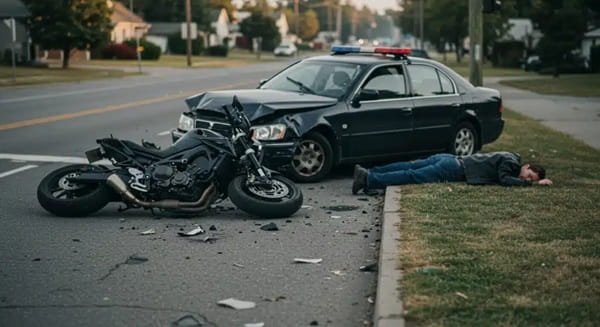
A rider has no frame, airbags or doors. Even a low-speed crash can cause broken bones, head injuries or road rash that needs months of care. Insurers know this, and they also know that many people hold assumptions about riders. A common first move is to suggest the rider was speeding, weaving or taking a risk.
The facts often point the other way. Many motorcycle crashes start when a driver turns left across a rider’s path, changes lanes without looking or pulls out from a side street and says they never saw the motorcycle. Being unseen is not the rider’s fault.
Who Is at Fault?
Fault is decided from the evidence: the police report, photos, vehicle damage, witness accounts and any video. Washington uses pure comparative fault (RCW 4.22.005). If a rider is found partly responsible, the claim is not thrown out. The rider’s compensation is reduced by their percentage of fault. That is why insurers push for even a small share of blame.
Helmets, Lane Rules and Other Arguments
Expect the other side to look for arguments. Two come up often:
- Helmets. Washington requires riders to wear a helmet (RCW 46.37.530). If a rider was not wearing one, an insurer may argue it made a head injury worse.
- Lane use. A motorcycle is entitled to a full lane, but Washington law does not allow riding between lanes of traffic (RCW 46.61.608). If the other side claims a rider was passing between cars, witness accounts and video can make a difference.
Neither point automatically ends a claim, but both can reduce it, so they should be addressed with evidence early.
What Can a Rider Claim?
Depending on the case, an injured rider may be able to recover:
- Current and future medical costs
- Lost wages and lost earning ability
- Pain, suffering and loss of enjoyment of life
- Repair or replacement of the motorcycle
- Helmet, jacket and other gear
- In a fatal crash, a wrongful death claim by the family
What If the Other Driver Has No Insurance?
If the at-fault driver has no insurance, or too little, a rider’s own uninsured or underinsured motorist coverage may help. Washington insurers must offer this coverage, but riders sometimes decline it without realizing what it protects. Coverage often depends on the policy that covers the motorcycle, not the one on the family car, so it is worth reading that policy early.
First Steps After a Crash
- Get medical care and tell the provider how you were hurt. Some injuries appear days later.
- Call the police and ask for the report number.
- Take photos of the scene, the vehicles, your injuries and skid marks.
- Keep your helmet and gear as they are. They show how the crash happened.
- Collect witness names and note nearby cameras. Video is often overwritten within days.
- Be careful with insurers. You do not have to give a recorded statement, and early comments can be used against you.
Do You Need a Lawyer?
Not every crash needs one. If you were not hurt and the damage is minor, you may be able to settle it yourself. It is wise to talk to a lawyer if you were injured, fault is disputed, the other driver is uninsured or the insurer is delaying, denying or undervaluing the claim.
Be careful with early offers. They often arrive before treatment ends, and signing a release usually closes the claim for good. Before accepting, check that the amount covers future care, lost income, pain and the cost of the bike and gear.
Frequently Asked Questions
How long do I have to file a motorcycle accident claim in Washington?
Most personal injury claims must be filed within three years (RCW 4.16.080). Claims against a government body can have shorter notice rules, so do not wait.
Can I still recover if I was not wearing a helmet?
Possibly. It does not automatically bar a claim, but an insurer may argue it reduces what you can recover for head injuries.
What if the driver says they did not see me?
Not seeing a motorcycle is not a legal excuse. Drivers must watch for other road users, and this is one of the most common causes of rider injuries.
Final Thoughts
A motorcycle crash can change a rider’s health, income and daily life in a moment. The strongest claims are built early: with medical care, clear evidence and careful communication with insurers. Understanding fault, helmet and lane arguments in advance helps riders avoid common traps and protect the value of their claim.