Arizona has busy roads and highways that connect cities such as Phoenix, Tucson, Mesa, Scottsdale, and Chandler. With so many vehicles sharing these roads every day, crashes can happen in busy intersections, parking lots, residential streets, and highways. When the driver leaves the scene, however, identifying what happened and who was responsible can become much more difficult.
Witness statements and surveillance footage can provide important evidence in a hit-and-run claim. They may help identify the vehicle, show how the collision happened, confirm the location and timing of the crash, and support the injured person’s account when the driver cannot be immediately found.
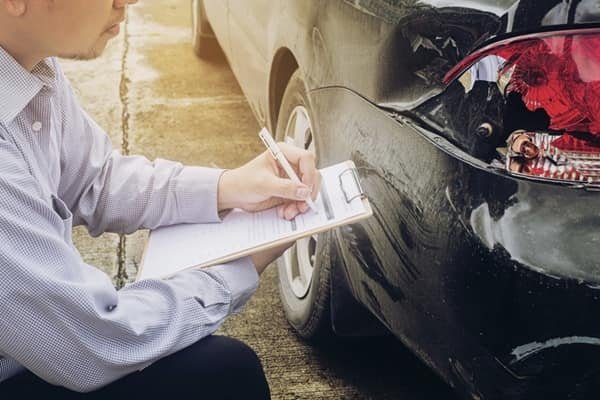
If you have been injured in this type of accident, speaking with a trusted hit-and-run attorney in Arizona can help you understand how available evidence may support your claim.
How Witnesses Can Help a Hit-and-Run Claim
People who saw the accident may remember details that the injured person could not safely observe at the time. A witness may have seen the vehicle’s make, model, color, license plate, or distinctive features. They may also remember which direction the vehicle traveled after the collision.
Witnesses can also describe what happened immediately before and during the crash. Their statements may help establish the sequence of events and provide an independent account of the collision.
It is useful to provide police and your attorney with the names and contact information of anyone who witnessed the accident. Arizona law also recognizes the importance of witnesses in accident investigations. Under A.R.S. § 28-667, an investigating officer’s written accident report may be prepared through interviews with participants or witnesses.
Why Surveillance Footage Can Be Important
Cameras are common around Arizona roads and businesses. Depending on where a crash occurs, footage may come from traffic cameras, nearby businesses, parking lots, apartment communities, gas stations, or other properties.
Surveillance footage can sometimes show the collision itself or capture what happened moments before and after it. Even when the crash is outside the camera’s direct view, footage may record a vehicle entering or leaving the area.
Video may help answer questions such as
- What type of vehicle was involved?
- What direction did it travel?
- Was a license plate visible?
- What was the traffic situation?
- Did the driver stop before leaving?
- Were there witnesses nearby?
Because some surveillance systems automatically overwrite older recordings, identifying potentially useful cameras quickly can be important. An attorney may be able to help identify possible sources of footage and take appropriate steps to preserve relevant evidence.
Evidence Can Help Establish What Happened
A hit-and-run investigation may involve several pieces of evidence rather than one clear answer. Witness accounts can be considered alongside photographs, vehicle damage, debris, police reports, medical records, and available video.
Arizona law requires a driver involved in an accident causing injury or death to stop and remain at the scene. A.R.S. § 28-661 sets out this duty and establishes penalties for failing to comply.
When the driver is unknown, evidence that helps identify the vehicle or establish the circumstances of the crash can become particularly important. Preserving this information early may also make it easier to investigate the claim while details are still fresh.
What to Do After a Hit-and-Run
If you are involved in a hit-and-run, prioritize your safety and seek medical attention for any injuries. Contact law enforcement and provide as much information as possible about the vehicle and driver.
If you can do so safely, write down what you remember about the crash and look for nearby businesses or other locations that may have cameras. Avoid confronting or attempting to follow the driver.
You should also keep photographs, medical records, repair estimates, insurance correspondence, and other documents related to the accident. These records can help create a clearer picture of the losses caused by the crash.
Key Takeaways
- Witnesses may provide independent information about how a hit-and-run occurred.
- Witnesses may remember identifying details about the vehicle or driver.
- Surveillance cameras can capture the collision or the vehicle leaving the area.
- Some video systems may overwrite recordings, making early evidence preservation important.
- Police reports, photographs, medical records, witness accounts, and video can work together to establish what happened.
- Arizona law requires drivers involved in injury-producing accidents to stop and remain at the scene.
- Anyone injured in a hit-and-run should consider getting legal advice about preserving evidence and pursuing available claims.