California is known for its dry conditions, seasonal high winds, and recurring wildfire risks, which can threaten homes and communities across the state. In cities and areas such as Los Angeles, Ventura, and Sonoma County, wildfires can cause damage even when flames never reach a home directly.
If your home remains standing after a wildfire, you may still be able to file an insurance claim for covered losses, depending on the circumstances and your policy. Strong winds can carry smoke and embers into your home, while evacuation orders can lead to additional expenses.
If you have wildfire-related damage or expenses, a California wildfire attorney can help you understand which losses may qualify for compensation and what evidence can support your claim. Keep reading for deeper insights!
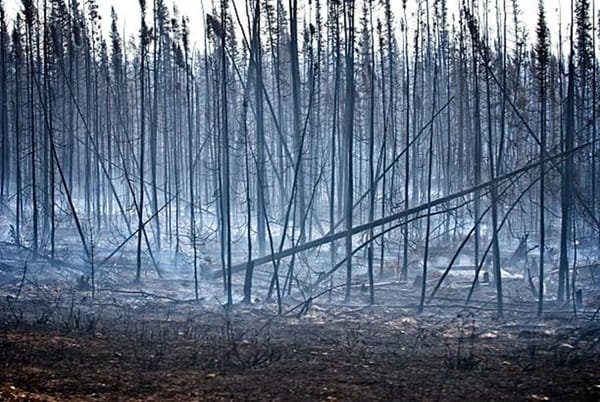
What Your Wildfire Claim Should Include Even If Nothing Was Burned
Even if nothing was burnt in your home, your wildfire claim may include the following:
1. Smoke and Ash Damage
Smoke can leave odors, soot, and residue on walls, ceilings, carpets, and built-in ventilation systems, even when flames never reach the property. Document the affected areas with photographs and obtain inspection reports or estimates for professional cleaning and repairs.
Under California Code of Regulations, Title 10, § 2695.7(d), insurers must conduct a thorough, fair, and objective investigation of claims. Insurers cannot deny smoke damage claims without an appropriate investigation. If smoke has spread through your ventilation system, a qualified professional can assess whether the ducts and filters need cleaning or replacement.
2. Evacuation and Temporary Living Expenses
If a wildfire evacuation order or covered damage prevents you from living in your home, your policy may cover additional living expenses.
These can include:
- Temporary accommodation
- Extra meal costs
- Other necessary expenses above your normal living costs
Keep receipts and compare these expenses with what you would typically spend at home. Record the dates you were unable to occupy your property and retain evacuation notices or other documents supporting your need to relocate.
3. Hazardous Contamination
Wildfire ash and debris may contain harmful substances, including heavy metals, that require specialized testing to identify. If you suspect contamination in household materials, soil, or your water supply, a qualified environmental professional can determine whether testing is necessary and recommend appropriate treatment.
Include relevant assessment costs and remediation estimates in your claim. Laboratory results can help distinguish a potential health hazard from ordinary smoke residue and establish the need for specialized cleanup.
4. Damage to Personal Belongings
Wildfires can damage movable possessions such as household appliances, electronics, clothing, and furniture, even when the building remains structurally sound.
Prepare an inventory of affected items and provide:
- Photographs
- Purchase receipts
- Warranties
- Other evidence of their value
For items that cannot be restored, obtain repair assessments or replacement estimates. Check whether your policy settles personal property claims at actual cash value or replacement cost. This can affect the amount you receive.
5. Losses Caused by Utility Interruptions
Wildfires can disrupt electricity, water, or sewer services when nearby infrastructure is damaged, potentially making a home uninhabitable. Under California Insurance Code § 2060(b)(2), qualifying homeowners may be eligible for additional living expense coverage when wildfire damage leaves essential utilities unavailable.
Keep utility outage notices, written confirmation of affected services, and records of direct losses, such as spoiled food, to help document your claim. Coverage depends on the circumstances.
6. Emergency Property Protection Expenses
You may need to take immediate steps to prevent additional damage to your property during or after a wildfire. Examples include boarding up broken windows, covering exposed sections of the building, or arranging urgent work to secure damaged entry points.
Keep invoices and records explaining what work was performed and why it was necessary, and notify your insurer as soon as reasonably possible. Check your policy for specific requirements concerning emergency repairs and prior authorization.
Final Takeaways
- You may be able to file a wildfire claim even if flames never reached your property.
- Smoke, ash, and hazardous contamination may cause damage that qualifies for insurance coverage.
- Evacuation and temporary housing expenses may be covered when a wildfire makes your home unsafe to occupy.
- Keep photographs, inspection reports, receipts, and other evidence of damage and expenses.
- Review your policy and seek legal guidance if your insurer denies your claim without properly investigating the reported damage.