A grenade is not treated like an ordinary firearm or military collectible under U.S. law. The first question is whether the object is a live explosive device or a permanently inert display piece. A genuine live grenade falls into one of the most heavily regulated weapon categories in federal law, while a properly rendered inert grenade may fall outside the National Firearms Act.
Private ownership of a live grenade is therefore not simply a matter of buying one where weapons are legal. Federal law classifies it as a “destructive device,” bringing it under the National Firearms Act, the Gun Control Act, and federal explosives rules. State and local law can be stricter.
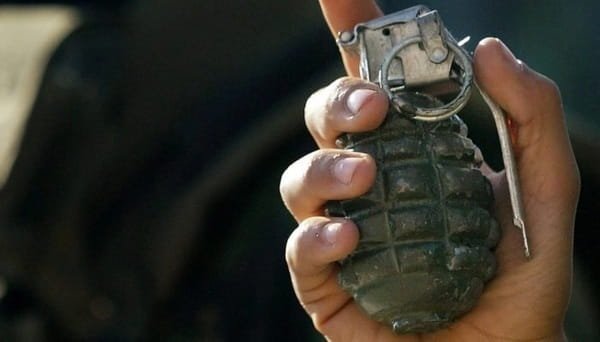
How Does Federal Law Classify a Live Grenade?
Under 26 U.S.C. § 5845, the National Firearms Act defines a destructive device to include an explosive, incendiary, or poison-gas grenade. Destructive devices are treated as NFA firearms and must comply with the Act’s registration and transfer rules.
Federal law also makes it unlawful to possess an NFA firearm that is not registered to the possessor. ATF states that there is no procedure for a private person to register an already unregistered NFA firearm after acquiring it.
Does a Live Grenade Also Fall Under Explosives Law?
Yes. A live grenade is not only an NFA destructive device; it also contains regulated explosive material. ATF guidance explains that explosive destructive devices can be subject simultaneously to the Gun Control Act, National Firearms Act, and federal explosives laws.
Federal explosives rules require licenses or permits for regulated activities involving explosive materials, along with compliant storage where the rules apply. NFA registration does not erase these separate requirements.
Can a Private Individual Ever Legally Possess One?
Federal law does not create an ordinary over-the-counter path to live-grenade ownership. Any lawful private possession would require proper NFA registration and transfer, compliance with federal explosives rules, and legality under state and local law.
The federal transfer tax for a destructive device is $200. ATF will not approve a transfer when the proposed possession would violate federal, state, or local law.
What About an Inert or Dummy Grenade?
An inert collectible is legally different from a live explosive grenade. ATF states that unloaded or dummy grenades that have been rendered incapable of use as destructive-device ammunition components in an ATF-accepted manner are not considered NFA weapons.
That distinction matters for military collectors. An item that merely looks like a grenade is not automatically regulated as a live destructive device, but a seller’s “inert” label alone does not prove its legal status.
How Do State Laws Affect Grenade Ownership?
State law can be as important as federal law. Texas defines an explosive grenade as an “explosive weapon” and generally prohibits possession unless the weapon is federally registered, otherwise exempt, or within another statutory exception.
Florida also defines explosive grenades as destructive devices, requires a state license or permit to possess explosives, and can treat unlawful destructive-device possession as a felony. Federal NFA registration therefore does not make a grenade legal everywhere.
Can You Transport a Registered Grenade Across State Lines?
A registered destructive device is subject to additional transportation controls. ATF requires prior approval for interstate transport by ordinary registered possessors, and the destination must allow the device under its own laws.
Separate explosives-transport rules may also apply, so moving a lawful device into a prohibited jurisdiction can create new violations.
What Happens if a Live Grenade Is Unregistered?
Possessing an unregistered NFA destructive device is a federal offense. Authorities can seize the device, federal criminal penalties may apply, and state weapons or explosives charges can be added.
If someone unexpectedly encounters what may be a live grenade, it should not be treated like an ordinary collectible. Its legal status and safety risk are very different from those of a confirmed inert display item.
The Bottom Line
A live grenade is not an ordinary legal collectible in the United States. It is a federally regulated destructive device and explosive, so lawful possession requires compliance with federal, state, and local law.
A properly rendered inert or dummy grenade can be treated differently and may fall outside the NFA. The crucial issue is whether it is genuinely nonfunctional and legally classified as inert.