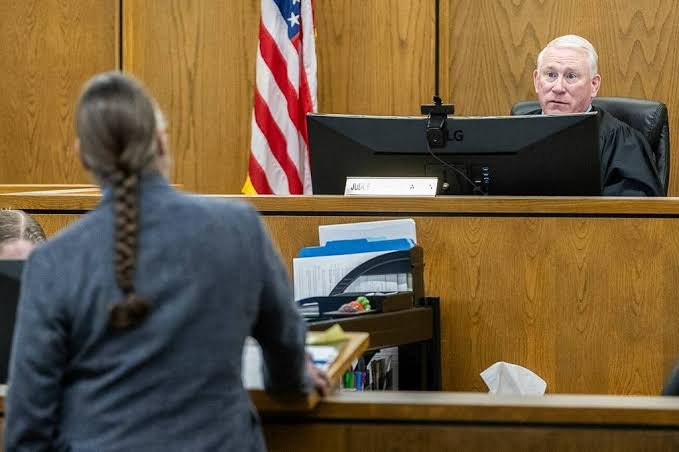
One of George Harrison’s most successful solo songs also became the center of a landmark American copyright case. In 1976, a federal judge found that “My Sweet Lord” infringed the copyright of “He’s So Fine,” a 1963 hit recorded by the Chiffons. The unusual finding was that Harrison had not copied the earlier song deliberately. Instead, the court concluded that he had reproduced its music subconsciously. What began as a dispute over melody then grew into years of litigation over royalties, damages and the conduct of Harrison’s former business manager.
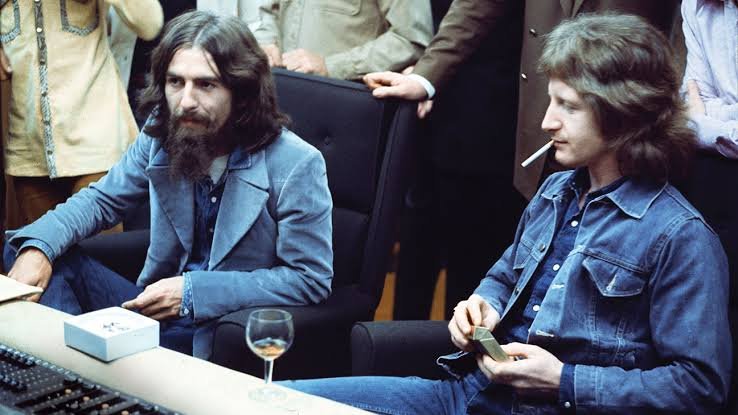
How the My Sweet Lord Lawsuit Began
Harrison released “My Sweet Lord” in 1970, shortly after the Beatles separated. The recording appeared on his album All Things Must Pass and became a major international hit. But Bright Tunes Music Corporation owned the copyright to “He’s So Fine,” written by Ronald Mack and recorded by the Chiffons. In 1971, Bright Tunes sued Harrison and associated music companies in federal court in New York, claiming that the composition copied protected material from Mack’s earlier work. The relevant lawsuit was Bright Tunes Music Corp. v. Harrisongs Music, Ltd.
What Made the Two Songs Legally Similar?
The dispute did not turn on matching lyrics or a shared spiritual message. It concerned the musical structure. After hearing testimony and expert comparisons, U.S. District Judge Richard Owen found that both songs used a distinctive sequence of short melodic motifs, repeated in substantially the same pattern. He also noted matching harmonies and a particular grace note appearing at a corresponding point. Although individual musical phrases were not necessarily original, their combination and arrangement persuaded the court that the similarities involved protectable expression rather than mere coincidence.
Why the Court Found Subconscious Copyright Infringement
The 1976 ruling separated intent from infringement. Harrison had heard “He’s So Fine” before composing his hit, and the judge accepted that the earlier melody could have remained in his memory. Judge Owen did not find intentional theft. He nevertheless concluded that the familiar musical pattern had resurfaced during Harrison’s songwriting process and that the resulting composition infringed the earlier copyright. The decision illustrates a lasting principle of copyright law: a defendant’s sincere belief that a work was independently created does not automatically defeat an infringement claim when copying is established.
How Much Money Was at Stake?
A liability finding did not settle the question of payment. The court later examined publishing royalties, record-related earnings and other income attributable to “My Sweet Lord.” In a February 1981 opinion, Judge Owen calculated approximately $1,599,987 in earnings attributable to the copied music. That figure was a damages calculation, not a simple account of money Harrison ultimately paid. The court recognized that Harrison’s words, celebrity and performance also contributed to the song’s commercial success. Those factors affected how the court apportioned profits tied to the musical infringement.
Allen Klein and the $587,000 Copyright Purchase
The litigation took a remarkable turn after Allen Klein, who had previously managed Harrison’s business affairs, became involved on the other side. Klein’s company, ABKCO Music, bought Bright Tunes’ rights in “He’s So Fine,” together with its infringement claims, for $587,000 in April 1978. Harrison argued that Klein had used knowledge acquired during their earlier business relationship to interfere with negotiations and acquire the claim for himself. The district court found a breach of fiduciary duty and limited ABKCO’s ability to profit from that purchase. It imposed a constructive trust to protect Harrison’s interests in the rights Klein had acquired.
What the Appeals Courts Decided
The legal battle continued through repeated appeals. The U.S. Court of Appeals for the Second Circuit upheld the finding that Klein had breached duties owed to Harrison, while directing the lower court to distinguish domestic rights from rights affected by separate foreign settlements. In September 1991, the appellate court again considered the allocation. It ruled that ABKCO could not retain an unsupported 20% administration fee and that certain “He’s So Fine” copyrights and revenues had to be transferred to Harrison’s interests upon proper payment. It also ordered further examination of part of a $600,000 payment connected to overseas agreements.
Was the George Harrison Lawsuit a $1.6 Million Judgment?
Descriptions of this dispute sometimes say Harrison was simply ordered to pay $1.6 million. That leaves out the decisive complications. The judge identified roughly that amount as attributable infringement earnings, but Klein’s breach of fiduciary duty changed the available remedy. The $587,000 figure was what ABKCO paid to acquire the earlier song’s rights, not the original copyright damages award. Later proceedings adjusted the rights to be returned, how purchase costs were allocated and what revenues the parties could retain. The major published appellate decisions date from the early 1990s; this is a historical case, not a newly filed lawsuit.
Why the Ruling Still Matters
The “My Sweet Lord” case remains important because it shows how copyright disputes can arise without a finding of deliberate dishonesty. Courts must still assess access, protectable musical expression and meaningful similarity rather than treat every familiar chord progression as infringement. Equally important, the later ABKCO proceedings demonstrate that music-rights litigation can involve fiduciary duties and conflicts of interest as well as the underlying copyright claim. A successful infringement allegation does not eliminate restrictions on how the claimant or its agents may conduct themselves.
Conclusion
The George Harrison “My Sweet Lord” lawsuit produced two lasting lessons. Inadvertent borrowing can carry copyright consequences, and the handling of the resulting claim can create legal problems of its own. The 1976 finding established infringement; the later rulings concerned money, ownership and Klein’s conduct. Read together, the decisions explain why this decades-old case continues to appear in discussions of music plagiarism and the business of songwriting.