If you get hurt at a factory or plant job, the most important steps are to report the injury, get medical care, and protect the evidence before it disappears. These early moves shape your health, your income, and your chances of getting fair benefits. A manufacturing injury can happen in seconds, but the money and medical questions that follow can last for months or even years.
Many injured workers are not sure whether they only have a workers’ compensation claim or whether another company may also be responsible. Talking with experienced manufacturing accident injury lawyers in Indianapolis can help you sort out your options while records and witness memories are still fresh. Below is a plain look at what factory workers should know after an accident and why acting quickly matters.
Common Ways Factory Workers Get Hurt
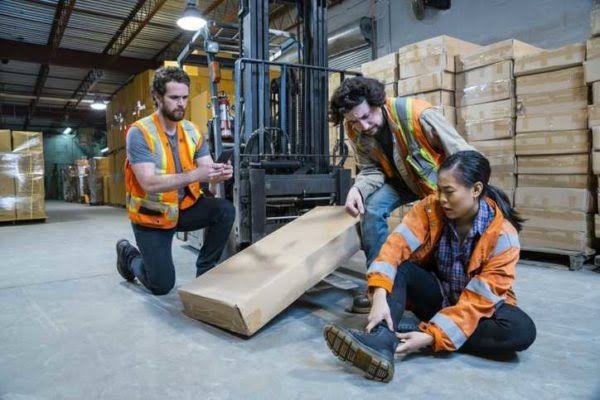
Manufacturing work often means long shifts around heavy machines, sharp tools, and fast production lines. Some of the most serious injuries happen when a hand, glove, or sleeve gets caught in moving parts. These caught-in accidents can lead to crushed fingers, broken bones, or even amputations, especially when guards are missing or a machine was not properly shut down before repairs.
Other common injuries come from forklifts, falling objects, chemical spills, burns, and slips on oily floors. Not every injury happens all at once, either. Workers who repeat the same motion for hours each day can develop wrist, shoulder, and back problems over time. These repetitive stress injuries may also qualify for benefits, even though there was no single accident.
Why Manufacturing Injuries Matter in Indianapolis
Indianapolis has deep roots in manufacturing. The city is home to major employers like Rolls-Royce, which builds aircraft engines, and Allison Transmission, which makes commercial vehicle transmissions. Dozens of smaller plants, machine shops, and parts suppliers also operate across Marion County. Industrial areas on the west and south sides, along with nearby towns like Speedway and Plainfield, employ a large number of people who work on production floors and loading docks every day. With so many residents working in these jobs, factory injuries affect a large number of local families, which is why it helps for Indianapolis workers to understand their rights before something goes wrong.
Report the Injury and See a Doctor Right Away
Tell your supervisor about the injury as soon as you can, and ask that a written report be made. Indiana law generally requires workers to give their employer written notice within 30 days of a work injury, and waiting can give an insurance company a reason to question whether the injury really happened on the job. A written report locks in the date, time, and basic facts while everyone still remembers them.
Next, get checked by a doctor, even if the pain seems minor at first. Some injuries, like a torn muscle or a mild head injury, may not show strong symptoms for a day or two. Make sure the medical staff knows the injury happened at work. Follow the treatment plan, go to every appointment, and keep copies of your records, since these papers often become the backbone of a claim.
Workers’ Compensation Basics in Indiana
Most Indiana employers must carry workers’ compensation insurance. This coverage can pay for medical treatment tied to a work injury and replace part of your lost wages while you recover. It may also provide benefits if an injury leaves you with a lasting impairment. In most cases, you do not have to prove that your employer did anything wrong to receive these benefits.
That does not mean every claim goes smoothly. Insurers sometimes argue that an injury is not serious, that it came from something outside of work, or that you are ready to return to your job before your doctor agrees. Indiana generally gives workers two years from the date of injury to file a claim, but waiting that long is rarely a good idea. Delays can make it harder to connect your injury to your job.
When Another Company May Share the Blame
In Indiana, workers’ compensation is usually the main remedy against your own employer, so most workers cannot sue their boss directly. However, factory accidents often involve other companies too. When someone besides your employer helped cause the injury, you may have a separate third-party claim that can cover losses workers’ comp does not, such as pain and suffering and full lost wages.
For example, a machine may have been sold with a design flaw or without proper warnings. A maintenance contractor may have left a guard off after a repair, or a staffing agency driver may have operated a forklift carelessly. Federal rules require machines to have guards that protect workers from moving parts, flying chips, and other hazards, and OSHA’s general requirements for machine guarding explain these safety standards in detail. When a missing or faulty guard played a role, the equipment maker or another outside company may share responsibility.
Protect the Evidence Before It Is Gone
Production lines do not stop for long after an accident. Machines get repaired, broken parts get thrown away, and work areas get cleaned up so the plant can keep running. That is normal, but it also means key evidence can disappear within a day or two.
If you are able, try to save or collect a few key items as soon as possible after the accident. Even a handful of phone photos can end up making a big difference later:
- Photos or video of the machine, the work area, and your injuries
- Names and phone numbers of coworkers who saw what happened
- A copy of the accident report you or your supervisor filled out
- Medical bills, pay stubs, and records of missed work
- Notes about training you received for the task you were doing
It also helps to be careful with insurance adjusters. If they ask for a recorded statement early on, you may want to get legal advice first so your words are not taken out of context later.
Frequently Asked Questions
Can I be fired for filing a workers’ compensation claim in Indiana?
Indiana law does not allow employers to punish workers for filing a valid claim. If you believe you were let go, demoted, or treated unfairly because of a claim, it is worth getting legal advice. Keep copies of any emails, schedules, or write-ups that show how your treatment at work changed.
Do I have to prove my employer was at fault?
No. Workers’ compensation generally pays benefits no matter who caused the accident, even if you made a mistake on the job. The insurer may still dispute how serious your injury is or what treatment you need, so good medical records matter.
How soon should I talk to a lawyer?
Sooner is usually better. Evidence on a factory floor can vanish quickly, and both workers’ comp and third-party claims have strict filing deadlines. A quick review of your situation can also help you avoid mistakes with the insurance company.
Protecting Your Health and Your Claim After a Factory Injury
A factory injury can bring pain, lost paychecks, and a long list of questions all at once. Reporting the injury, getting medical care, and saving records are the basic steps that protect you in the first few days. From there, a closer look at the facts can show whether workers’ compensation covers everything or whether another company should also be held responsible. Getting solid answers before deadlines pass can make the rest of your recovery far less stressful.