Recreational marijuana is not legal in Hawaii in 2026. The state allows registered patients to use medical cannabis under a regulated program, and it treats possession of three grams or less of marijuana as a civil violation rather than a criminal offense. Those rules are often confused with full legalization. For a visitor on Oahu, Maui, Kauai, or Hawaii Island, the difference can have real consequences: a small quantity may still draw a fine, an ordinary tourist cannot enter a medical dispensary without the required registration, and using cannabis on a beach is not permitted. State law, not the availability of cannabis products online, determines what is lawful.
Is Recreational Marijuana Legal in Hawaii?
No. Hawaii has not established an adult-use system allowing anyone aged 21 or older to buy cannabis for recreation. Proposals considered during the 2026 legislative session did not create a statewide recreational market. The state’s medical system remains separate from proposals to legalize commercial adult-use sales. Smoking or possessing marijuana for recreational purposes therefore cannot be justified simply by pointing to legalization in nearby or mainland states. Decriminalization of a small amount changes the type of penalty; it does not create the same legal rights that recreational legalization provides.
What Is the Penalty for Possessing Marijuana?
Under Hawaii Revised Statutes Section 712-1249, possession of three grams or less of marijuana is a civil violation punishable by a $130 fine. That limit is very small—roughly one-tenth of an ounce—and should not be mistaken for permission to carry a personal stash. Possession above three grams but below one ounce can be charged as a petty misdemeanor under the same statute. Section 712-1248 treats possession of an ounce or more, or unlawful distribution of marijuana, as a misdemeanor, while other provisions can apply to larger quantities, cultivation, or commercial conduct. These rules concern unauthorized possession; registered medical patients have separate protections within their program’s limits.
Who Can Legally Use Medical Cannabis?
Hawaii established its medical marijuana program in 2000 and now administers it through the Department of Health’s Medical Cannabis Registry Program. A qualifying patient ordinarily needs certification from an authorized physician or advanced practice registered nurse, followed by state approval and a 329 registration card. The program covers specified debilitating conditions, including cancer, epilepsy, multiple sclerosis, and post-traumatic stress disorder. A 2025 change also allowed certain primary treating medical providers to certify other medical conditions when statutory requirements are satisfied. Having an illness alone does not automatically authorize cannabis possession; the certification and registration rules still apply.
How Much Medical Marijuana Can a Patient Possess or Grow?
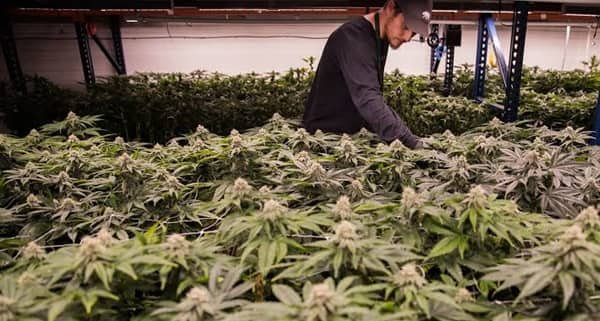
Hawaii defines an adequate supply for a qualifying patient and caregiver as no more than four ounces of usable cannabis and ten cannabis plants at any given time. These are ceilings, not universal permissions to grow anywhere. State rules control registration, designated grow locations, and caregiving arrangements. A patient must comply with the medical program’s conditions to receive its protections. Hawaii’s Department of Health also regulates licensed medical dispensaries and products. The existence of these licensed stores does not turn them into recreational retailers; customers must establish their legal eligibility before purchasing.
Can Visitors Buy Marijuana in Hawaii?
Some visitors may qualify for temporary medical registration. Hawaii accepts applications from eligible patients holding valid medical cannabis cards issued by another U.S. state or territory, provided they meet Hawaii’s medical-condition and identification requirements. An approved out-of-state 329 card is generally valid for up to 60 days and may be renewed once during the calendar year, subject to program rules. A medical card from another state does not, by itself, authorize shopping at a Hawaii dispensary. The Department of Health advises visitors not to bring cannabis through air travel because federal jurisdiction creates legal risks. International visitors have a different in-state certification route rather than automatic reciprocal recognition.
Where Is Cannabis Use Prohibited?
Even registered medical patients cannot consume marijuana wherever they choose. Hawaii prohibits medical cannabis use in public places, at schools and school grounds, in workplaces, and in moving vehicles, among other restricted settings. That includes public beaches and parks, which are particularly relevant to tourists. State smoke-free rules also cover certain forms of cannabis smoking and vaping. A hotel or rental owner may impose additional property restrictions. Driving under the influence of marijuana is illegal, whether the driver has medical authorization or not. A medical card protects only conduct permitted by the medical cannabis laws, not unsafe driving or public consumption.
Did Hawaii Legalize Marijuana in 2026?
No. During 2026, legislators considered proposals ranging from conditional adult-use legalization to a narrower framework for low-dose products and changes to possession penalties. Those proposals did not establish general recreational legalization. Hawaii did make administrative changes within its existing medical program, including a new patient registry portal introduced in September 2026 and updated dispensary regulations effective in late 2025. These program changes should not be confused with a new right for adults to buy recreational marijuana. Anyone relying on a news headline about a bill should check whether it was actually enacted.
Conclusion
Weed remains illegal for recreational use in Hawaii in 2026. Possession of up to three grams is a $130 civil violation, while larger unauthorized amounts can carry criminal consequences. Legal medical use requires proper certification and registration, with separate limits and restrictions on where cannabis may be consumed. Visitors should not assume that mainland legalization, an out-of-state medical card, or a small quantity automatically makes possession lawful in Hawaii.