A small stone chip can become a long windshield crack after one cold night or a stretch of rough pavement. Many drivers continue using the car while deciding whether to repair the glass. A crack does not always make the vehicle illegal to drive, but the answer changes when the damage affects visibility, compromises safety, or violates a state’s inspection standards. The location and nature of the damage matter more than a single nationwide measurement.
Is Driving With a Cracked Windshield Against the Law?
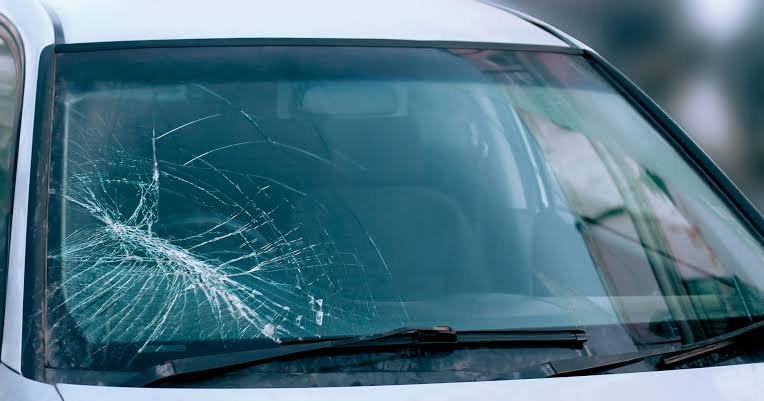
It can be. U.S. states generally require windshields to meet basic safety requirements, and many prohibit glass conditions that interfere with the driver’s view. A minor chip outside the field of vision may not trigger the same consequence as a long crack directly in front of the driver. No simple rule such as ‘every crack over six inches is illegal nationwide’ accurately describes all jurisdictions.
California Vehicle Code section 26710 prohibits operating a vehicle on a highway when a defective windshield or rear window impairs the driver’s vision. That is a visibility-based standard. Other states use inspection criteria that specify certain crack sizes, positions, or sharp edges.
What Does New York Require?
New York’s vehicle inspection rules give a useful example of a more detailed test. According to the Department of Motor Vehicles, a windshield fails inspection if a crack measuring 11 inches or longer extends into the area swept by the wipers. Other damage, including certain large star-shaped breaks or exposed sharp edges, can also cause rejection.
Those numbers are New York inspection criteria, not a universal law for every state. A driver should not apply them automatically to California, Texas, or any other jurisdiction. State inspection standards can differ from the legal standard an officer applies to a vehicle in active traffic.
Why Does the Crack’s Position Matter?
A crack across the driver’s line of sight can distort headlights, traffic signals, pedestrians, and vehicles, especially in rain or darkness. Damage may produce glare and interfere with the driver’s ability to judge distance. A chip near the center of vision can be more troublesome than a longer mark at the outer edge.
Windshields also play a structural role in modern vehicles. Damage that spreads toward an edge or affects an area containing driver-assistance sensors may require more than a cosmetic fix. An auto-glass professional can assess whether the windshield can be safely repaired or should be replaced.
Are Commercial Vehicles Subject to Federal Rules?
Certain commercial vehicles must comply with federal glazing requirements under 49 CFR section 393.60. Those rules address the permitted condition of windshields and related glass and include detailed exceptions for some damage. They should not be treated as a general code governing every privately owned passenger car.
A trucking operator may therefore face both federal commercial-vehicle requirements and applicable state rules. The vehicle’s use and classification matter when deciding which standards apply.
Can Police Issue a Ticket for Damaged Glass?
Yes, where the condition violates state law. Depending on the jurisdiction, the consequence may be an equipment citation, a repair requirement, an inspection failure, or another enforcement action. The penalty is not uniform nationwide. California’s statute, for example, provides a mechanism for an officer to direct correction of certain windshield defects within a specified period.
A driver involved in a collision may face additional scrutiny if poor visibility contributed to the incident. Civil fault is a separate question that depends on proof of causation and other circumstances.
Will Insurance Pay for Repair or Replacement?
Comprehensive auto coverage often responds to accidental glass damage, but coverage terms, deductibles, and state-specific glass benefits vary. A policyholder should ask the insurer whether chip repair is available without the same deductible that applies to full replacement. A claim decision does not establish whether the car is legally safe to drive.
Conclusion
Driving with a cracked windshield is not automatically illegal in every circumstance. A crack that obstructs vision, creates hazardous edges, or violates inspection standards can make continued driving unlawful. Checking the state’s actual requirements and arranging prompt repair are more reliable than relying on a supposed nationwide crack-size limit.