- Arizona landlords are legally required to maintain rental properties in a habitable condition and to address issues like mold promptly.
- Tenants should document mold problems thoroughly and notify landlords in writing to ensure proper remediation.
- Understanding your rights and responsibilities can help protect your health and legal standing.
Understanding mold issues in Arizona rental properties is important for tenants seeking safe and habitable living conditions. Mold exposure can cause property damage and pose health risks, making timely reporting and documentation essential. Conduit Law provides valuable legal guidance through its Arizona mold injury lawyer resource, which explains tenant rights, landlord responsibilities, and options for pursuing compensation when negligence is involved. Serving clients throughout Arizona, Conduit Law has established authority in mold-related injury claims by focusing on tenant advocacy, helping renters navigate complex legal matters and protect their interests effectively.
Understanding Mold in Arizona Apartments
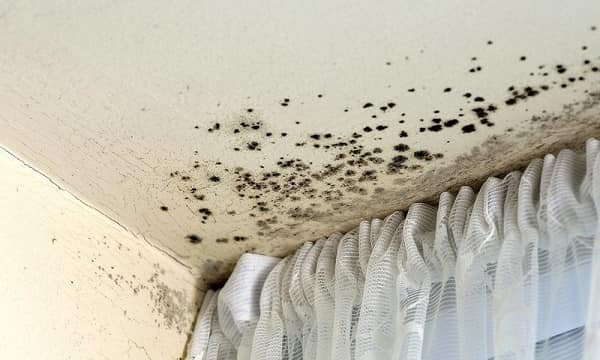
Despite Arizona’s arid climate, mold can still thrive in apartments due to factors like plumbing leaks, roof damage, and poor ventilation. Mold exposure can lead to health issues such as respiratory problems, allergies, and skin irritation. Recognizing mold signs and understanding its potential health impacts are crucial for tenants.
Arizona tenants might mistakenly believe the desert air prevents mold, but indoor environments can become humid, especially after water events. For example, a leaking air conditioner, burst pipe, or improperly sealed windows can quickly create the damp conditions that mold spores need to flourish. Invisible airborne spores can settle on drywall, carpets, and even clothing. Since mold growth can sometimes be hidden behind walls or under flooring, tenants are encouraged to look for warning signs such as musty odors, water stains, or unexplained health issues. Quick detection is essential to prevent further damage and exposure.
Landlord Responsibilities Under Arizona Law
Under the Arizona Residential Landlord and Tenant Act, landlords must keep rental units in a fit and habitable condition. This includes addressing maintenance issues that could lead to mold growth, such as fixing leaks and ensuring proper ventilation. Failure to do so can result in legal consequences for the landlord.
Importantly, Arizona law requires landlords to address all health and safety hazards. Landlords must promptly repair leaks, moisture problems, or ventilation issues upon notification. If mold develops due to neglected repairs, the landlord could be found negligent. Potential consequences include fines, rent abatements, or even being required to pay for tenant relocation. Landlords cannot legally retaliate against tenants who exercise their rights by reporting mold or requesting repairs. Tenants who experience retaliation, such as unjust eviction notices after notifying a landlord, have additional legal protections.
Tenant Rights and Responsibilities
Tenants have the right to live in a safe and habitable environment. If mold is discovered, tenants should:
- Document the issue with photos and detailed notes.
- Notify the landlord in writing, specifying the problem and requesting timely repairs.
- Keep records of all communications and repair efforts.
Providing written notice is essential, as it creates a record of the issue and the tenant’s request for remediation.
In addition to informing the landlord, tenants should avoid disturbing the mold, as this can spread spores. If repairs are delayed or refused by the landlord, tenants may consider contacting the local housing authority or health department to request an inspection. Tenants should not attempt large-scale remediation themselves, especially if significant mold is visible or health symptoms are present; this is both for safety and to preserve legal claims.
Health Documentation and Seeking Medical Attention
If mold exposure leads to health problems, tenants should seek medical attention and keep records of diagnoses and treatments. This documentation can be vital if legal action becomes necessary. While mold exposure can cause health issues, it’s important to avoid making definitive medical claims without professional evaluation.
Record all symptoms, including onset dates and any changes to health after remediation efforts. Inform healthcare providers about the suspected mold exposure so they can run appropriate tests or document environmental causes. In many mold-related claims, detailed medical documentation can strengthen a tenant’s legal case, particularly when seeking damages for medical costs or personal suffering. Additionally, consider keeping a health journal and tracking any visitors or family members who have also been affected, as corroborating accounts may support your claims.
Notifying Landlords and Requesting Repairs
When notifying landlords about mold, tenants should:
- Describe the mold’s location and appearance.
- Include dates when the mold was first noticed.
- Request specific actions to remediate the issue.
Arizona law requires landlords to address health and safety issues promptly. If the landlord fails to act within a reasonable timeframe, tenants may have additional legal options.
Be specific in your communication, including any steps you have taken (such as drying out the area) and attaching supporting photos. Send all correspondence via certified mail or email to create a verifiable record of your attempts to resolve the issue. If the landlord does not respond to or repair the problem, there may be grounds to break the lease or withhold rent, but these steps should only be taken after seeking legal advice or understanding the legal risks in Arizona.
When to Seek Legal Assistance
If a landlord does not address mold issues adequately, tenants may need to seek legal assistance. Conduit Law specializes in . Their experienced attorneys can provide guidance on the best course of action, ensuring tenants’ rights are protected and helping them navigate the complexities of landlord-tenant disputes.
Attorneys can review your lease for clauses about repairs, habitability, or mold, and help document the extent of the problem and your communication history. Legal counsel may negotiate with the landlord on your behalf or file a formal complaint if the situation escalates. In some cases, you may be entitled to compensation for property damage, medical bills, or temporary housing. Consulting with a lawyer early is wise if you feel your health or living situation is in jeopardy.
Preventative Measures for Tenants
To minimize the risk of mold growth, tenants can:
- Use exhaust fans in bathrooms and kitchens.
- Keep windows open when possible to improve ventilation.
- Report leaks or water damage to the landlord immediately.
- Clean and dry areas prone to moisture regularly.
Taking these steps can help prevent mold issues and maintain a healthy living environment.
Additionally, avoid leaving wet clothes, towels, or rugs unattended, especially on carpeted surfaces. Monitor indoor humidity and, if needed, use a dehumidifier. In areas prone to condensation, wipe down windowsills and surfaces regularly, and remove clutter that might conceal leaks. Proactive tenants are less likely to experience major mold outbreaks, and attentive maintenance can demonstrate to landlords that tenants are doing their part to uphold the lease terms.
Frequently Asked Questions About Mold in Arizona Rentals
- Is mold always visible? Not always, mold can grow inside walls, behind cabinetry, or beneath flooring, especially if leaks are hidden or go unrepaired.
- Can I break my lease due to mold? Arizona tenants may be able to break a lease if the apartment becomes uninhabitable due to mold and the landlord fails to make timely repairs. Seek legal advice before taking this step.
- Who pays for mold remediation? Typically, the landlord is responsible if the mold resulted from faulty plumbing, roofing, or other maintenance issues. However, if mold resulted from tenant actions (such as failing to vent the bathroom), the cost may be the tenant’s responsibility.
- What if I experience retaliation? Arizona law protects tenants from landlord retaliation (such as eviction) for reporting mold or requesting repairs. Keep records of all interactions and seek legal support if you suspect retaliation.
Conclusion
Mold exposure in Arizona apartments is a serious concern that requires prompt attention from both landlords and tenants. By understanding their rights and responsibilities, tenants can take proactive steps to address mold issues, protect their health, and seek legal assistance when necessary. Staying informed and vigilant is key to ensuring a safe and habitable living space.
If you believe you have a mold issue in your Arizona apartment, begin documenting everything right away and communicate clearly with your landlord. Resources such as the Arizona Attorney General’s Landlord-Tenant Program and local health departments can also provide information or assistance. Remaining proactive and seeking expert advice can help you protect your rights and well-being.