A car accident can leave victims dealing with painful injuries, unexpected medical bills, lost income, and uncertainty about what to do next. While insurance may cover some of these losses, obtaining fair compensation is not always straightforward. Disputes over fault, delayed insurance responses, and disagreements about the value of a claim can make the process more complicated. In such situations, consulting a Car accident attorney may help injured individuals understand their legal rights, assess their options, and determine whether pursuing a lawsuit is appropriate.
Filing a car accident lawsuit is a significant decision that requires careful consideration. Understanding the legal process, the evidence needed to support a claim, and the factors that influence compensation can help accident victims make informed choices after a collision.
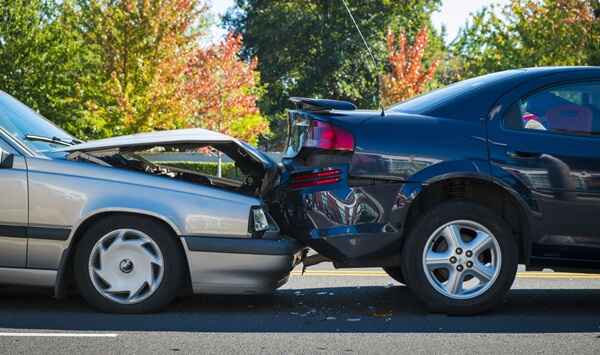
Understanding When a Car Accident Lawsuit May Be Necessary
Not every car accident requires a lawsuit. Many claims are resolved through insurance negotiations, particularly when liability is clear and the parties agree on the extent of the damages. However, legal action may become necessary when an insurer refuses to offer a reasonable settlement or disputes responsibility for the accident.
Serious injuries can also complicate the claims process. Victims may require surgery, rehabilitation, ongoing treatment, or time away from work. When the long-term effects of an injury remain uncertain, an early settlement may not adequately account for future expenses and financial losses.
A lawsuit may also be considered when multiple parties share responsibility for a collision or when conflicting accounts make it difficult to establish fault. Before taking legal action, victims should evaluate the available evidence, the extent of their losses, and the potential costs and benefits of pursuing a claim.
Establishing Liability After a Car Accident
Establishing liability is one of the most important parts of a car accident claim. Generally, an injured person must demonstrate that another party’s negligence contributed to the collision and resulting injuries.
Negligence may involve speeding, distracted driving, failing to yield, running a red light, or operating a vehicle while impaired. In some circumstances, responsibility may extend beyond the driver. For example, an employer could potentially be liable for an employee’s conduct while performing job-related duties, depending on the circumstances and applicable law.
Evidence plays a central role in determining responsibility. Police reports, photographs of the accident scene, witness statements, traffic camera footage, and vehicle damage records may help establish how the collision occurred. Medical documentation can also connect the accident to the injuries sustained.
In disputed cases, accident reconstruction specialists or other qualified experts may provide additional insight. Their findings can help clarify vehicle movements, road conditions, and other factors relevant to determining fault.
Preserving Evidence and Documenting Injuries
Strong documentation can make a substantial difference when pursuing compensation. Accident victims should preserve relevant evidence as soon as reasonably possible, provided doing so is safe.
Photographs of damaged vehicles, visible injuries, road conditions, traffic signals, and debris may help establish the circumstances surrounding the collision. Contact information from witnesses can also be valuable if their accounts become necessary during insurance negotiations or court proceedings.
Medical records are equally important. Victims should seek appropriate medical attention after an accident, even when symptoms initially appear minor. Some injuries, including certain head, neck, and soft-tissue injuries, may become more noticeable over time. Medical evaluations create a record of symptoms, diagnoses, treatment recommendations, and recovery progress.
Financial documentation should not be overlooked. Receipts for medical expenses, prescription costs, rehabilitation, transportation, and other accident-related expenses can help demonstrate the financial impact of an injury. Pay statements and employer records may support claims involving lost wages or reduced earning capacity.
Keeping these records organized can make it easier to assess damages and respond to questions raised by an insurer or the opposing party.
Understanding Insurance Companies and Settlement Offers
Insurance coverage often plays a central role in car accident claims. After receiving notice of a collision, an insurer may investigate the incident, review medical records, assess property damage, and determine whether the policy covers the claimed losses.
However, an initial settlement offer may not reflect the full extent of an injured person’s damages. The offer might account for immediate medical expenses without adequately considering future treatment, lost earning capacity, or other documented consequences of the accident.
Victims should carefully review settlement terms before accepting an offer. In many cases, signing a settlement agreement means giving up the right to pursue additional compensation for the same claim, even if new expenses arise later. The precise effect depends on the agreement and applicable law.
A Car accident attorney may help evaluate an offer, identify potentially overlooked damages, and communicate with insurance representatives. Legal guidance can also be useful when an insurer disputes medical treatment, questions the severity of an injury, or argues that the injured person contributed to the accident.
Maintaining accurate records and avoiding unsupported statements about fault can help victims navigate these discussions more carefully.
What Compensation May Be Available?
The compensation available after a car accident depends on the circumstances of the collision, the injuries involved, the available insurance coverage, and the applicable law.
Economic damages generally include measurable financial losses, such as medical bills, rehabilitation costs, lost wages, and certain future expenses associated with an injury. In cases involving lasting disabilities, future medical needs and reduced earning capacity may also be relevant.
Non-economic damages may compensate for losses that do not have a direct price tag. These can include physical pain, emotional distress, loss of enjoyment of life, and limitations on everyday activities. The availability and assessment of these damages vary by jurisdiction and case circumstances.
Property damage may be addressed separately or as part of a broader claim, depending on the circumstances. In some cases, additional categories of damages may be available under applicable law.
It is important to recognize that compensation is not guaranteed. The evidence, the severity of the injuries, liability rules, insurance limits, and other legal considerations can influence the final outcome.
Understanding Filing Deadlines and the Legal Process
Car accident victims should pay attention to the deadlines that apply to their claims. Each jurisdiction establishes rules governing how long an injured person has to file a lawsuit. These deadlines, commonly known as statutes of limitations, can differ depending on the type of claim and the parties involved.
Certain circumstances may create shorter notice requirements or exceptions to the usual deadline. Claims involving government entities, for example, may require specific procedures before a lawsuit can proceed. Waiting too long may prevent a victim from pursuing compensation, even when the underlying claim has merit.
The legal process typically begins with reviewing the facts, gathering evidence, identifying potentially responsible parties, and evaluating damages. Depending on the case, the parties may exchange information, negotiate a settlement, participate in mediation, or proceed to trial.
Because procedural requirements vary, understanding the applicable rules early can help prevent avoidable complications. Victims should also retain copies of relevant documents and keep track of important communications throughout the process.
Making an Informed Decision After an Accident
Deciding whether to file a car accident lawsuit requires more than determining who caused the collision. Injured individuals must also consider the severity of their injuries, the quality of available evidence, the insurance coverage involved, and the likelihood of resolving the dispute through negotiation.
Taking practical steps early can make the process more manageable. Seeking medical care, preserving evidence, tracking expenses, and reviewing insurance communications can help establish a clearer picture of the accident’s consequences. Avoiding rushed settlement decisions may also provide time to understand the full extent of the losses.
When questions arise about liability, compensation, or filing deadlines, consulting a Car accident attorney can help clarify the legal options available. Every accident is different, and the appropriate course of action depends on its specific facts and the laws that apply.
Ultimately, understanding the claims process allows accident victims to approach difficult decisions with greater confidence. Careful preparation, accurate documentation, and timely attention to legal requirements can help protect their interests while they focus on recovery.