Calling a drink “sugar-free” should be straightforward. A new federal lawsuit against Starbucks argues that its protein lattes and matchas fail that basic test. Filed on October 2, 2026, the proposed class action alleges that eight drinks sold under “Sugar-Free” names contain substantial quantities of naturally occurring milk sugar. Starbucks rejects the accusation and says customers have been given clear nutritional information. The dispute could turn on an important distinction in food advertising: what a company means by a product name versus what consumers reasonably understand it to promise.
What Is the Starbucks Sugar-Free Protein Latte Lawsuit?
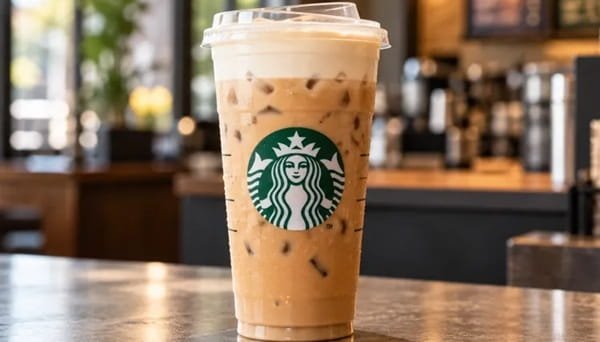
The case is Walsh et al. v. Starbucks Corporation, No. 2:26-cv-03745, filed in the U.S. District Court for the Western District of Washington. The named plaintiffs are Michael Walsh, Anne Legnini and Elna Potter. They seek to represent other consumers who purchased the challenged beverages, claiming they were misled by the product names and paid money they otherwise would not have spent, or would have spent differently. Their filing is a proposed class action, not an established finding of false advertising.
Which Starbucks Drinks Are Named?
The complaint concerns hot and iced versions of four products: Sugar-Free Vanilla Protein Latte, Sugar-Free Caramel Protein Latte, Sugar-Free Vanilla Protein Matcha and Sugar-Free Caramel Protein Matcha. Starbucks introduced its protein beverage range in September 2025. According to the plaintiffs, venti servings of the challenged drinks contain roughly 13 to 21 grams of sugar. These figures refer to particular drinks and sizes; they should not be read as the sugar content of every Starbucks protein beverage.
How Can a “Sugar-Free” Drink Contain Sugar?
The distinction is between added sugar and total sugar. Starbucks says its protein-enhanced milk naturally contains lactose, a type of sugar found in dairy, and that the drinks use sugar-free flavored syrups rather than added sugar. But lactose still contributes to total sugar. The plaintiffs say a customer seeing “Sugar-Free” at the start of a drink’s name would naturally understand that the finished beverage—not merely its syrup—contains little or no sugar. Starbucks counters that its menus, website and app disclose the drinks’ nutritional content.
What Do Federal Sugar-Free Labeling Rules Say?
The lawsuit relies partly on federal food-labeling standards. Under 21 C.F.R. § 101.60(c), a “sugar free” nutrient-content claim generally requires less than 0.5 grams of sugar both per reference amount customarily consumed and per labeled serving, along with other conditions. Certain products carrying such claims must also disclose when they are not low-calorie, reduced-calorie or intended for weight control. The complaint alleges that the Starbucks drinks fail these requirements and omit necessary calorie disclosures. Whether those rules apply as the plaintiffs contend, and whether their allegations establish actionable state-law violations, are questions for the court.
What Are the Plaintiffs Alleging?
The consumers allege that Starbucks benefited from demand for lower-sugar foods while using product names that created a misleading impression. Their legal theories include false advertising, deceptive business practices and other state consumer-protection claims. The case does not depend on an allegation that Starbucks secretly put table sugar into the drinks. Rather, it challenges whether calling a beverage “sugar-free” is lawful when ordinary milk ingredients contribute measurable sugar. That difference matters because “no added sugar” and “sugar-free” are not interchangeable claims under federal labeling rules.
How Has Starbucks Responded?
Starbucks disputes the lawsuit. In statements reported by Reuters and the Associated Press, the company said it consistently provided information on its protein beverages, customization options and nutrition through product announcements, marketing, menus, Starbucks.com and its app. It also explained that the drinks use sugar-free syrup and derive their existing sugar from milk. Starbucks says the allegations lack merit and that it intends to defend the case. Those responses will likely feature in arguments over the overall impression consumers received when ordering.
What Compensation Are Customers Seeking?
The plaintiffs seek monetary relief for allegedly misleading purchases and a court order restricting the use of “sugar-free” names on noncompliant drinks. The complaint does not establish a payment amount for individual customers. There is no court-approved Starbucks sugar-free protein latte settlement or claim form as of October 10, 2026. Even if the case progresses, consumers would not automatically qualify for compensation; eligibility would depend on further court decisions or any negotiated settlement.
What Happens Next in the Lawsuit?
The matter is at an early stage. Starbucks may contest the legal sufficiency of the complaint, dispute class certification, and challenge how the marketing and nutrition information should be interpreted. The plaintiffs must establish that the challenged claims are legally misleading and satisfy the requirements for their requested relief. No reported ruling has found Starbucks liable in this new case. Importantly, it is separate from the January 2026 Williams v. Starbucks lawsuit involving ethical coffee sourcing and decaf-coffee disclosures.
Conclusion
The Starbucks Sugar-Free Protein Latte lawsuit raises a narrow but significant consumer-law question: does “sugar-free” describe an ingredient or the complete drink placed in a customer’s hand? The plaintiffs argue the finished beverages cannot carry that name when they contain measurable lactose. Starbucks maintains that its descriptions and nutritional disclosures are transparent. Until the court resolves those competing positions, the allegations remain unproven and the litigation should not be mistaken for a settlement or an official finding of wrongdoing.