Your key witness speaks Spanish. Your client speaks Dari. The deposition starts at nine, and the interpreter you booked has never seen the case file. Moments like this decide how well legal interpretation serves your case.
In this guide, legal interpretation means spoken-language interpreting in legal settings, not the way courts read statutes. You will learn when your firm needs an interpreter, how to choose a qualified one, and how to run sessions that hold up on the record.
What Is Legal Interpretation?
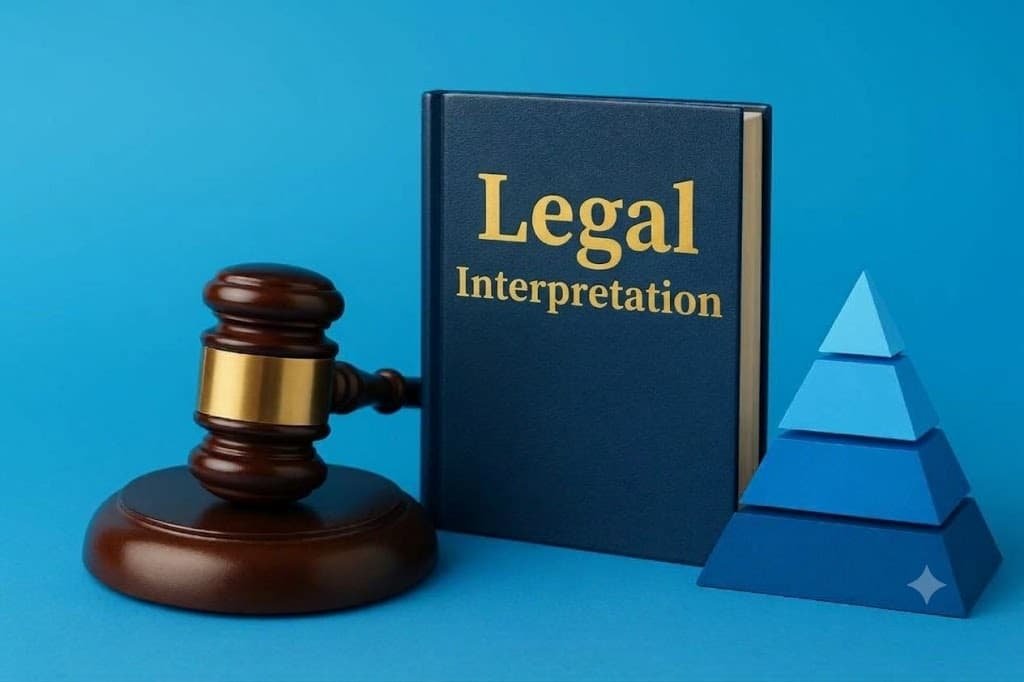
Legal interpretation involves converting spoken or signed communication from one language into another during legal proceedings. It is commonly used in court hearings, depositions, arbitrations, and attorney-client meetings to help individuals understand and participate in legal discussions.
Legal interpreters must have strong language skills, knowledge of legal terminology, and an understanding of courtroom procedures. They must accurately convey each statement without changing its meaning, omitting information, or expressing personal opinions. Professional legal interpretation services provide qualified interpreters trained in consecutive and simultaneous interpretation to support communication in different legal settings.
Unlike legal translation, which focuses on written documents such as contracts and court filings, legal interpretation takes place in real time. This requires interpreters to process and communicate information accurately without the opportunity for extensive research or revision.
Accuracy is especially important in court proceedings, where misinterpreted statements can affect testimony and legal outcomes. Under Federal Rule of Evidence 604, court interpreters must be qualified and take an oath or affirmation to provide a true translation.
Why Legal Interpretation Matters for Law Firms
Legal interpretation matters because a firm cannot represent a client it cannot understand. In Formal Opinion 500, issued in October 2021, the American Bar Association made clear that competence and communication duties apply in full when a client has limited English proficiency. When it is reasonably necessary, the lawyer should arrange a qualified interpreter.
The need goes well beyond the courtroom. Client intake, witness preparation, depositions, hearings and mediations all depend on clear communication.
Small errors carry real weight. Say a witness answers “I don’t remember” and the interpreter renders it as “I don’t know.” The first suggests a gap in memory. The second suggests the witness never had the information at all. Errors like this can create impeachment problems, appeal issues and malpractice exposure.
6 Ways Law Firms Can Work Effectively with Legal Interpreters
Good interpretation starts long before the interpreter walks in. These six practices cover the points where most problems begin.
1. Identify the Exact Language and Dialect Early
Ask about language needs at client intake, not the week before a deposition. A client listed as “Spanish-speaking” may be more comfortable in an Indigenous language such as Mam or K’iche’. A client from Afghanistan may speak Dari or Pashto. Confirm the exact language and variety, then record it in the file so every future booking starts from the right information.
2. Choose the Right Credential
Credentials tell you what an interpreter has proven. Federal courts sort interpreters into three categories, according to U.S. Courts: certified, professionally qualified and language-skilled. Only Spanish has an active federal certification exam. For other languages, look for state court certification, recognized professional exams or solid legal experience. Match the interpreter to the subject as well, since criminal, immigration and commercial cases each have their own vocabulary.
3. Pick the Right Mode and Plan for Long Sessions
Consecutive interpreting, where the speaker pauses for each segment, is the standard for witness testimony and depositions. Simultaneous interpreting lets a party follow a hearing in real time. Remote interpreting by video or phone works well for short meetings.
Length matters too. The National Association of Judiciary Interpreters and Translators recommends a team of two interpreters for more than 30 minutes of simultaneous or 60 minutes of consecutive work. Fatigue causes errors, and a full-day deposition with one interpreter makes them more likely.
4. Brief the Interpreter Before the Session
An interpreter who knows the case works faster and makes fewer mistakes. Send a short case summary, names of people and places, key terms, acronyms and any exhibits that will come up. Expert reports need extra attention because technical terms are hard to render on the spot. Share these materials under an NDA or clear engagement terms.
5. Run the Session the Right Way
Speak directly to the witness in the first person. Ask “Where were you that night?”, not “Ask him where he was.” Keep questions short and let one person talk at a time.
Never ask the interpreter to summarize. The NAJIT Code of Ethics requires a complete rendition and states that “there should be no distortion of the original message.” If the interpreter asks for clarification or corrects an error, let it happen on the record.
6. Protect Confidentiality and Privilege
Interpreters hear everything, including privileged strategy. Opinion 500 points to Model Rule 1.6 on confidentiality and Rule 5.3, which makes lawyers responsible for supervising the interpreters they use. Work with vetted professionals under an NDA. Privilege rules for interpreters vary, so confirm how they apply in your jurisdiction before sensitive meetings.
Can Anyone Act as a Legal Interpreter?
No. Being bilingual is not the same as interpreting legal proceedings accurately and neutrally. Opinion 500 cautions that a client’s relatives or friends may have a personal stake in the outcome, and it urges care before relying on a firm’s own nonprofessional staff.
Courts set the same expectation. Under the Court Interpreters Act, federal courts use certified interpreters when one is reasonably available.
Conclusion
Legal interpretation protects your client’s voice and the accuracy of the record. The firms that get it right plan for it from the first client meeting.
Identify language needs at intake, choose the right credential, brief your interpreter and plan for long sessions. When your next deposition or client meeting involves another language, a provider of credentialed legal interpretation services can match the right interpreter to your case, schedule a team for long sessions and work under strict confidentiality.